Cold Storage Warehouse Cost: A Complete Guide to Planning and Efficiency
Cold storage warehouse cost is a critical factor for businesses in food distribution, pharmaceuticals, agriculture, and logistics. Unlike conventional warehouses, these facilities require specialized designs, materials, and equipment to maintain specific temperature ranges. The costs vary significantly depending on location, size, insulation, energy systems, and the degree of automation.
In general, cold storage construction is more expensive than traditional warehouse building due to the need for temperature control, high-quality insulation panels, refrigeration systems, and backup power sources. Additionally, long-term operational expenses such as electricity and maintenance often surpass the upfront construction cost. This makes it vital for businesses to assess not just the initial investment but also the total cost of ownership.
Key Factors Influencing Cold Storage Warehouse Cost
Size and Scale of the Facility
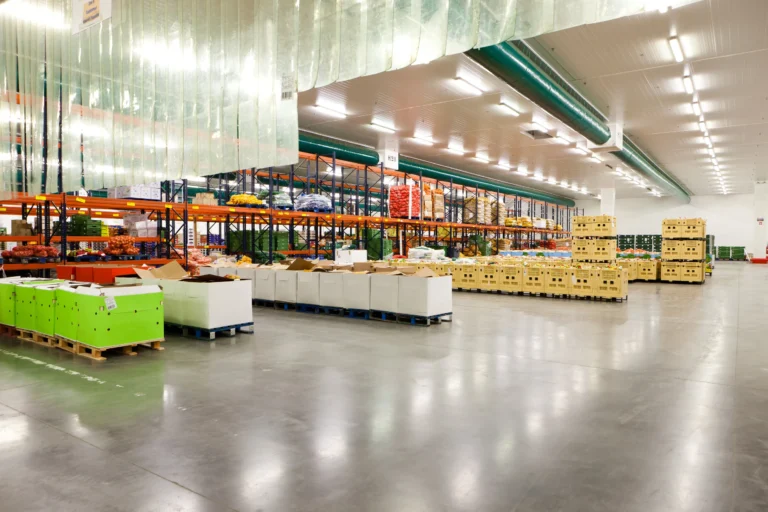
The larger the cold storage warehouse, the more materials, refrigeration equipment, and energy are required. Small-scale cold rooms for local distribution may cost a fraction of large-scale distribution hubs that cover tens of thousands of square feet. However, bigger facilities often enjoy economies of scale, reducing the cost per cubic meter.
Additionally, the type of products stored determines the design. Frozen goods such as seafood or meat require different temperature ranges compared to fresh produce or pharmaceuticals. This directly influences the complexity of refrigeration systems, insulation, and energy use.
Design and Construction Materials
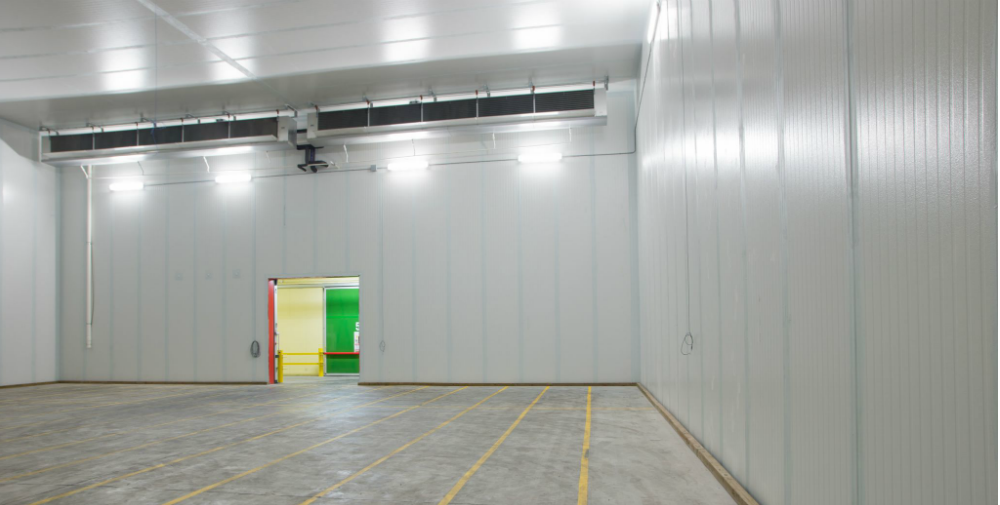
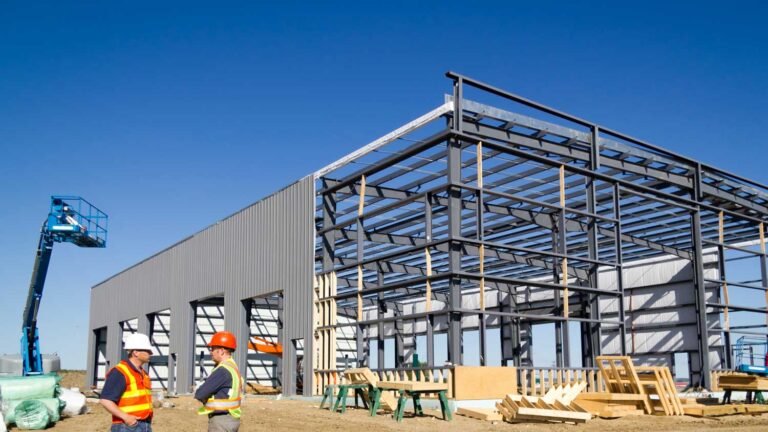
The design and material selection can heavily impact cost. High-quality insulation panels, steel structures, and vapor barriers are essential to prevent energy loss. Using advanced construction techniques helps improve efficiency but comes with higher upfront expenses. For example, polyurethane foam (PUF) panels are more expensive but offer long-term energy savings compared to less efficient alternatives.
The height of the facility also matters. High-bay cold storage warehouses with automated storage and retrieval systems (AS/RS) are becoming popular, as they maximize cubic storage capacity while reducing labor costs. However, these designs involve more engineering complexity, driving up initial investment.
Energy and Refrigeration Systems
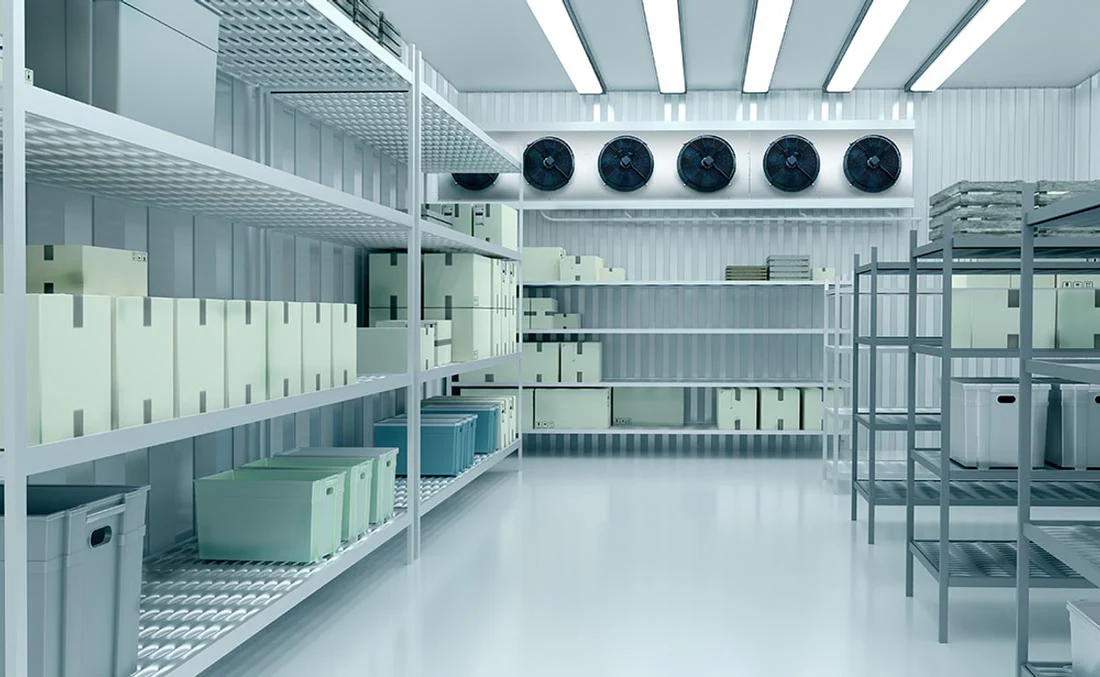
Refrigeration is the heart of cold storage, often accounting for the largest portion of operational costs. Modern systems use energy-efficient compressors, evaporators, and condensers to reduce electricity consumption. Some facilities even integrate renewable energy sources like solar panels to offset costs.
Advanced control systems, such as IoT-based sensors and automated monitoring, further enhance energy efficiency. These technologies help reduce operating costs but increase the upfront capital investment.
Benefits of Using Technology in Cold Storage Warehouses
Cold storage warehouses have transformed with the adoption of cutting-edge technologies. These innovations not only help reduce operational costs but also improve product quality and compliance.
One of the main advantages is energy optimization. Smart sensors and IoT systems allow real-time monitoring of temperature, humidity, and energy usage. By automating adjustments, facilities can avoid product spoilage and minimize wasted energy.
Automation in handling systems also enhances efficiency. Instead of relying on manual labor in freezing conditions, robotic palletizers and automated forklifts ensure safer and faster operations. This reduces labor costs and minimizes human error in handling sensitive products.
Another benefit of technology integration is compliance. For industries such as pharmaceuticals, strict regulations demand consistent temperature monitoring. Advanced tracking and reporting systems help businesses maintain compliance while avoiding costly penalties.
Real-World Examples of Cold Storage Warehouse Projects
Large-Scale Food Distribution Center
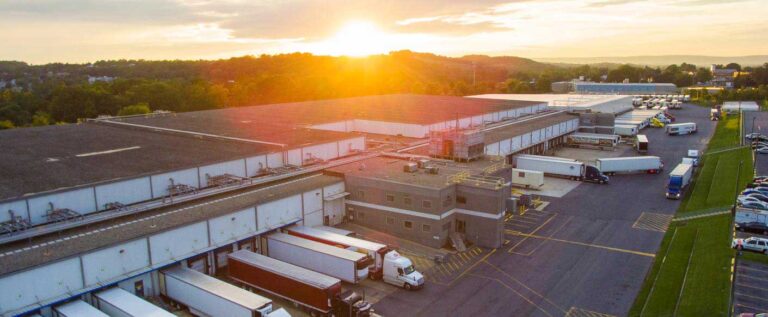
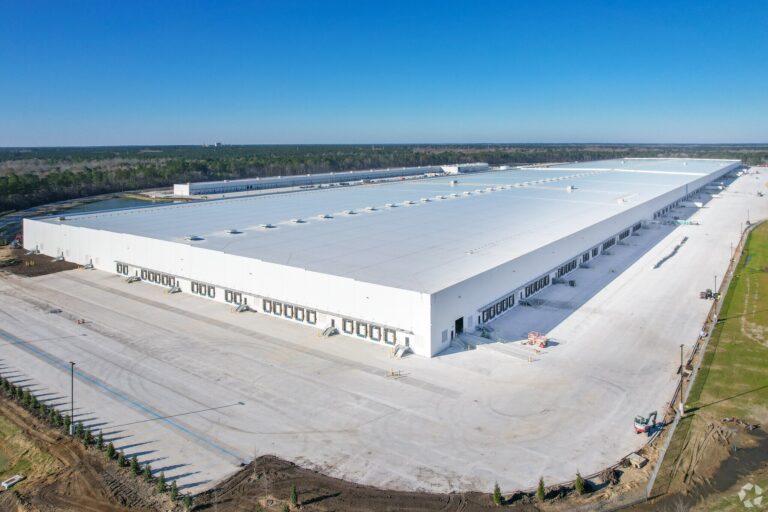
A global food distribution company built a 50,000-square-foot cold storage warehouse to serve regional supermarkets. The facility uses advanced refrigeration systems with ammonia-based cooling and automated pallet handling.
Although the initial construction cost was higher compared to a standard warehouse, the automation reduced labor needs by 40%. Energy-efficient systems cut electricity expenses significantly, allowing the company to recover investment over several years. This highlights how strategic design and technology adoption can lower long-term operational costs.
Pharmaceutical Cold Storage Facility
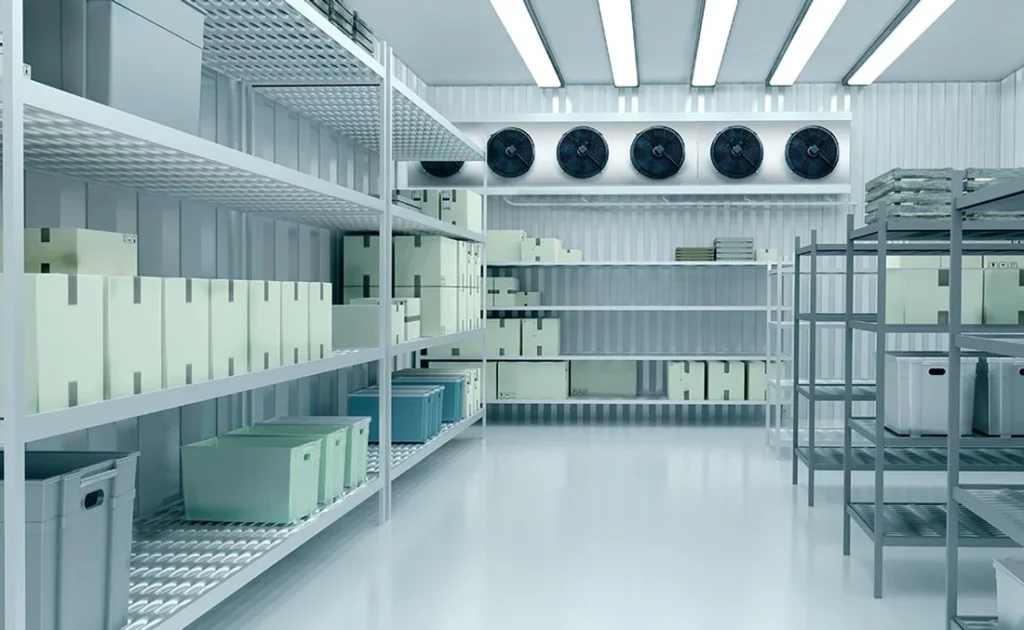
Pharmaceutical companies often face stricter requirements for storage. A mid-sized cold storage facility was constructed with specialized insulation, backup generators, and IoT-enabled monitoring systems.
The construction cost was higher due to advanced safety measures and compliance standards. However, the system ensured uninterrupted operations, even during power outages, safeguarding millions of dollars’ worth of medical supplies. This example shows how the cost is justified when storing high-value products requiring precise temperature control.
Agricultural Cold Storage for Perishables
An agricultural cooperative built a cold storage warehouse to extend the shelf life of fruits and vegetables. The facility included separate temperature zones to store different types of produce.
Although initial costs were a challenge for farmers, the project reduced post-harvest losses by 30%. By extending product freshness, farmers could sell produce at higher prices, directly improving profitability. This case demonstrates how cold storage costs can be offset by revenue gains from better quality and reduced waste.
High-Bay Automated Cold Storage
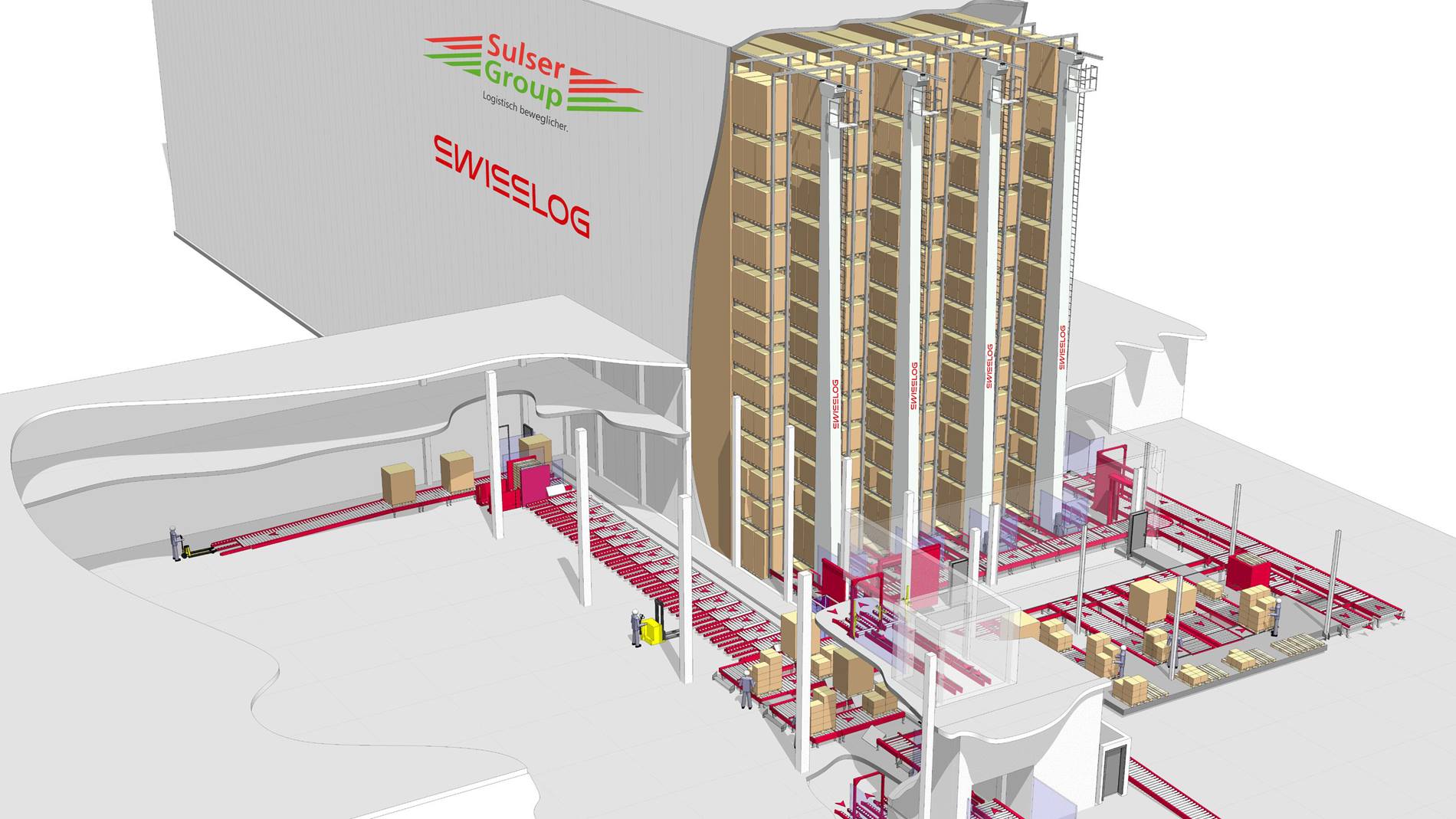
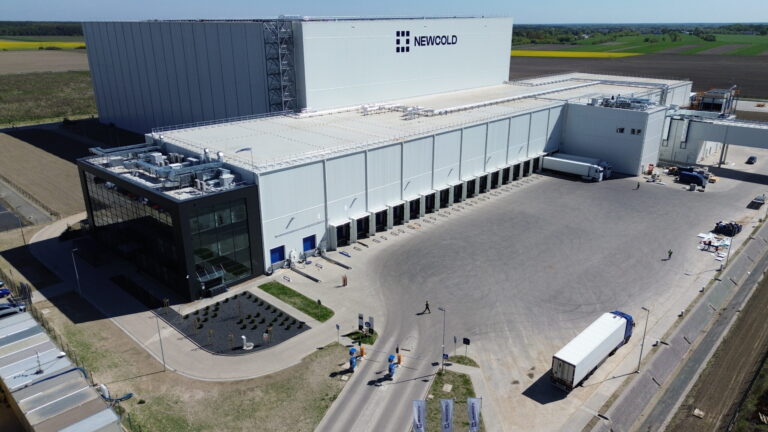
In Europe, a logistics company invested in a fully automated high-bay cold storage facility. While the construction cost was significantly higher, the automated retrieval system allowed 24/7 operations with minimal labor.
The investment paid off by increasing throughput, reducing energy loss through better design, and ensuring consistent product availability. This showcases how businesses can achieve long-term savings and efficiency despite high upfront costs.
Use Cases of Cold Storage Warehouses
Cold storage warehouses address critical challenges across industries. For food distribution, they prevent spoilage and ensure product safety from farm to table. In pharmaceuticals, they guarantee the integrity of vaccines and medicines, which is crucial for patient safety.
For agriculture, cold storage enables farmers to participate in larger markets by maintaining product freshness. Export businesses rely on these facilities to comply with international regulations. Logistics companies benefit by integrating cold storage with transport, creating seamless cold chain solutions.
Each use case emphasizes that while construction and operational costs may be high, the return on investment is substantial when measured in terms of reduced waste, improved quality, and expanded market access.
FAQs about Cold Storage Warehouse Cost
1. What is the average cost of building a cold storage warehouse?
The cost varies widely depending on size, design, and technology. Small facilities may cost hundreds of thousands of dollars, while large-scale automated warehouses can reach tens of millions.
2. Why are cold storage warehouses more expensive than regular warehouses?
They require specialized insulation, refrigeration, and energy systems to maintain consistent temperatures. Compliance standards and advanced technologies also add to construction and operational costs.
3. How can businesses reduce cold storage warehouse costs?
By investing in energy-efficient systems, automation, and smart monitoring technology, businesses can reduce operational expenses. Although upfront costs may be higher, long-term savings offset the investment.