Automated Cold Storage Warehouse: Ultimate Guide to Efficient and Smart Refrigerated Logistics
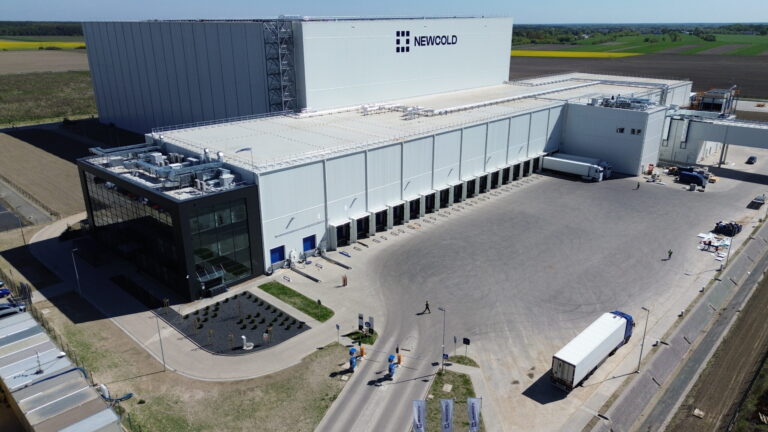
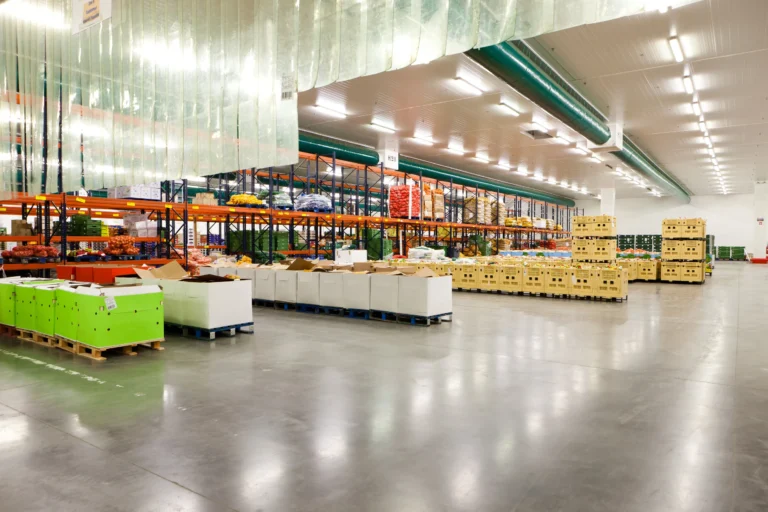
An automated cold storage warehouse is a refrigerated facility that utilizes advanced automation and robotics to store, retrieve, and manage perishable goods efficiently. These warehouses are essential for industries such as food and beverage, pharmaceuticals, and biotechnology, where strict temperature control and rapid inventory turnover are critical.
Automation in cold storage reduces human labor, minimizes errors, and increases throughput. By combining robotics, warehouse management systems, and climate control technology, automated cold storage warehouses ensure products are stored under optimal conditions, improving safety and reducing spoilage.
Key Features of Automated Cold Storage Warehouses
Automated cold storage warehouses are designed with features that optimize storage and retrieval:
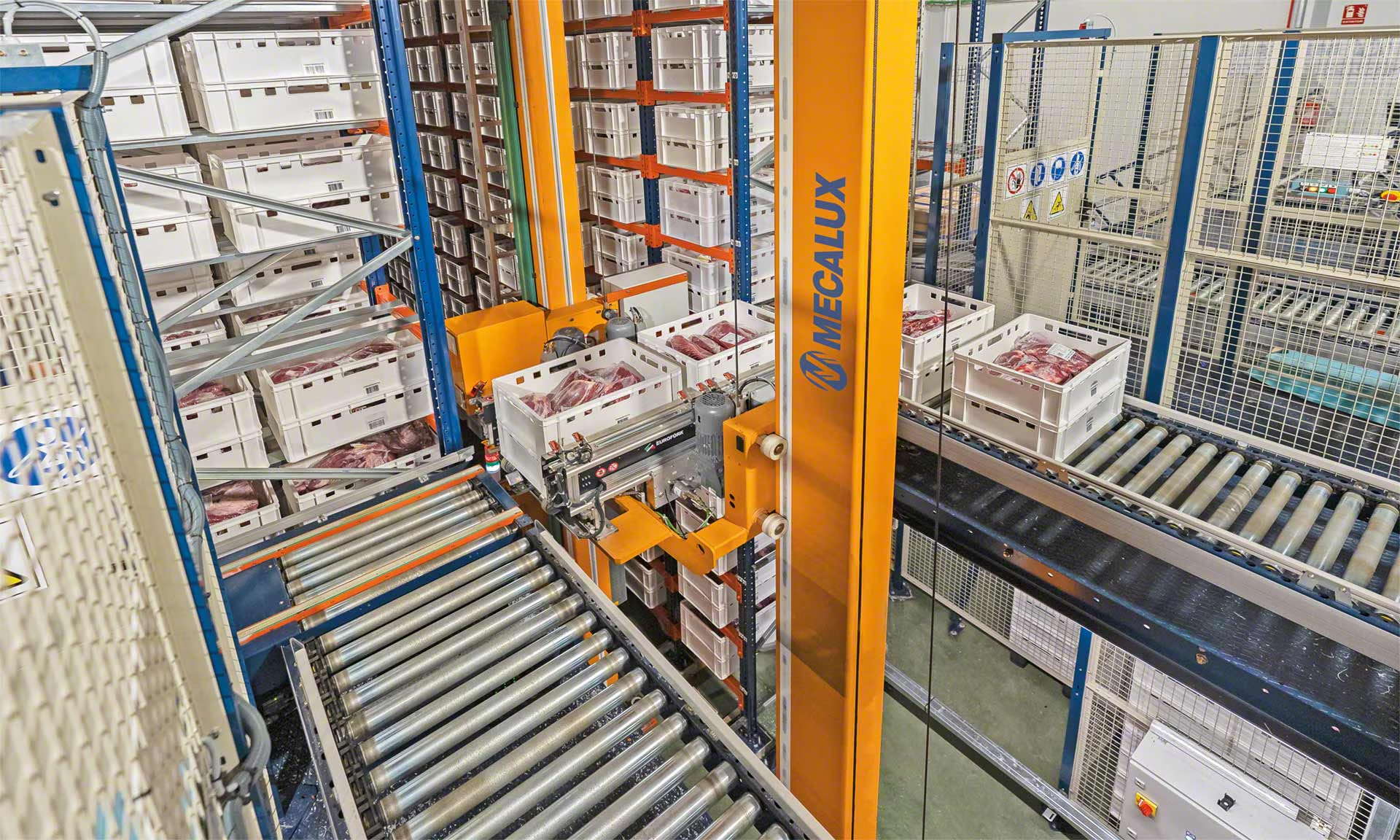
- Robotic Retrieval Systems: Robots or automated shuttles move products efficiently within the warehouse, reducing handling errors and labor costs.
- Temperature and Humidity Control: Precision climate control maintains specific storage conditions required for perishable or temperature-sensitive goods.
- Warehouse Management System (WMS): Advanced software monitors inventory, automates stock rotation, and generates real-time data analytics.
- High-Density Storage: Vertical racking systems maximize storage capacity while minimizing the warehouse footprint.
- Safety and Monitoring: Integrated sensors detect temperature fluctuations, humidity changes, and potential equipment malfunctions.
These features ensure that automated cold storage warehouses operate with high efficiency, accuracy, and reliability.
Advantages of Automated Cold Storage Warehouses
Increased Efficiency and Productivity
Automation reduces manual labor, enabling faster product handling and higher throughput. Robotic systems can operate continuously, allowing warehouses to manage large volumes of perishable goods with minimal downtime.
Improved Inventory Accuracy
Warehouse management systems track inventory in real time, minimizing errors associated with human handling. Accurate inventory control ensures stock rotation is maintained and reduces waste due to expired products.
Cost Reduction
Although initial investment in automation can be high, operational costs decrease over time. Fewer manual workers are required, energy consumption is optimized, and spoilage losses are minimized.
Enhanced Safety and Compliance
Automation limits human exposure to extreme cold, reducing workplace injuries. Advanced monitoring ensures compliance with food safety, pharmaceutical storage, and industry-specific regulations.
Real-World Examples of Automated Cold Storage Warehouses
Lineage Logistics Automated Cold Storage

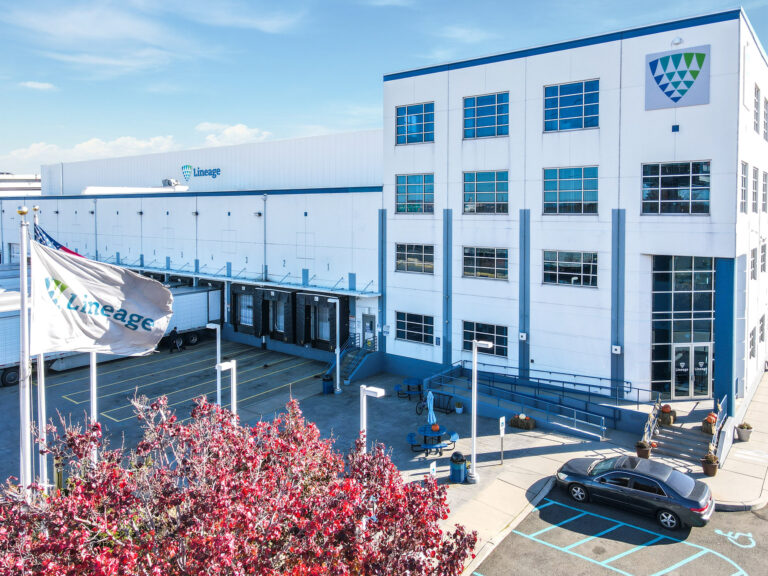
Lineage Logistics operates one of the most advanced automated cold storage networks globally. Their facilities integrate robotic systems, temperature-controlled racking, and warehouse management software to handle perishable goods efficiently. This automation allows them to scale operations, maintain precise temperature compliance, and reduce human labor costs significantly.
Americold Automated Refrigerated Facilities

Americold uses automated warehouses to streamline logistics for frozen foods. Their robotic forklifts and shuttles retrieve pallets, while advanced WMS tracks inventory and ensures real-time monitoring of temperature-sensitive products. The system supports rapid order fulfillment and reduces waste due to improved stock rotation.
Agility Logistics Cold Storage Automation
Agility Logistics employs automation for multi-temperature storage, handling frozen, chilled, and ambient products within a single facility. Robotics and smart software ensure goods are stored and retrieved efficiently while maintaining strict compliance with safety and quality standards.
Nordic Cold Storage Automated Solutions
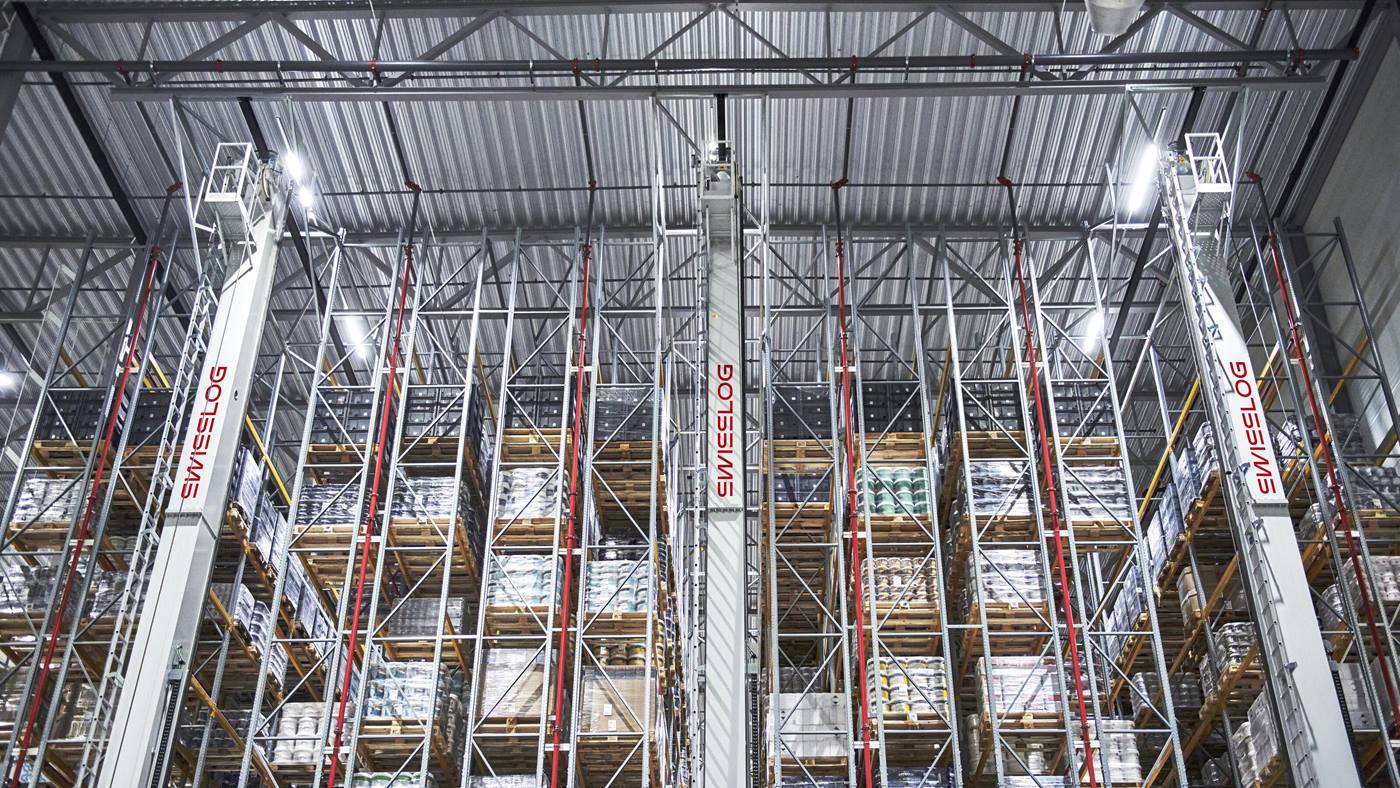
Nordic Cold Storage leverages high-density racking and automated shuttles to maximize space utilization. Their automated warehouses are equipped with environmental monitoring systems to ensure optimal temperature and humidity conditions for perishable goods. The combination of automation and real-time monitoring enhances operational efficiency and reliability.
Technology Advantages in Automated Cold Storage
Automation in cold storage warehouses provides technological benefits that improve operations:
- Real-Time Data Monitoring: IoT sensors and WMS provide real-time visibility into inventory, temperature, and humidity levels.
- Robotics for Efficiency: Automated shuttles, conveyors, and robotic arms reduce manual labor and increase throughput.
- Predictive Maintenance: Sensors detect equipment issues before they escalate, preventing downtime and product loss.
- Energy Optimization: Automated systems adjust cooling based on storage needs, reducing energy consumption and operational costs.
These technologies enable warehouses to operate reliably, reduce errors, and maintain optimal storage conditions for perishable goods.
Practical Use Cases
Food and Beverage Industry
Automated cold storage warehouses handle large volumes of frozen, chilled, and fresh products efficiently. Fast retrieval, accurate stock rotation, and precise temperature control minimize spoilage and support just-in-time delivery systems.
Pharmaceutical and Biotechnology
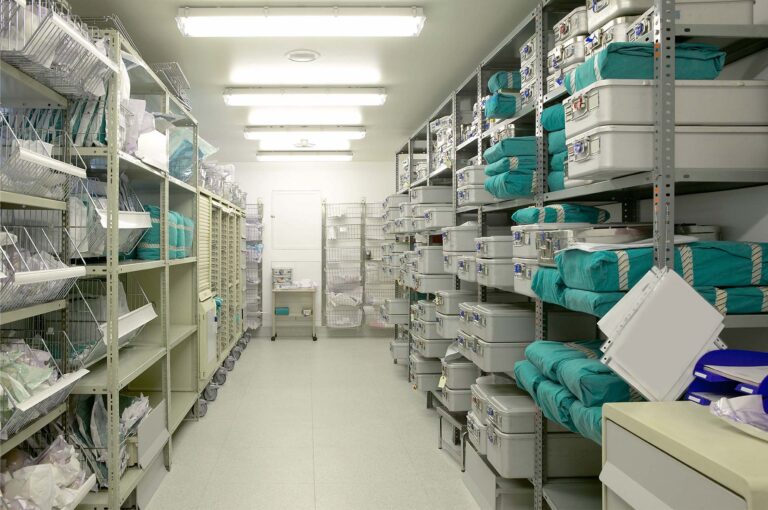
Temperature-sensitive drugs, vaccines, and biological materials require strict compliance with storage standards. Automated warehouses ensure consistent cold chain management, reducing the risk of product degradation.
E-Commerce Cold Supply Chain
E-commerce businesses dealing with perishable goods benefit from automated storage to fulfill orders rapidly. Automation ensures accurate picking, reduces errors, and enhances customer satisfaction through timely delivery.
Large Retail and Distribution Centers
Automated cold storage supports retailers and distributors by enabling faster inventory movement, reducing shrinkage, and providing real-time visibility into stock levels across multiple locations.
Benefits for Business Efficiency
Automated cold storage warehouses streamline operations, reduce labor dependency, and improve accuracy. Businesses gain operational flexibility, lower operational costs, and enhanced safety compliance. This combination of efficiency, reliability, and scalability makes automated cold storage a strategic asset for industries dependent on temperature-sensitive products.
Frequently Asked Questions
1. What is the primary advantage of automated cold storage warehouses?
The main advantage is efficiency. Automation reduces human error, speeds up storage and retrieval processes, and ensures precise temperature control, which minimizes spoilage of perishable goods.
2. How does technology in automated cold storage improve safety?
Robotic systems and sensors reduce human exposure to extreme cold, prevent mishandling of sensitive goods, and continuously monitor environmental conditions to maintain compliance with safety regulations.
3. Which industries benefit most from automated cold storage?
Food and beverage, pharmaceuticals, biotechnology, e-commerce with perishable goods, and large retail distribution centers benefit the most due to their reliance on temperature-controlled logistics and high-volume inventory management.