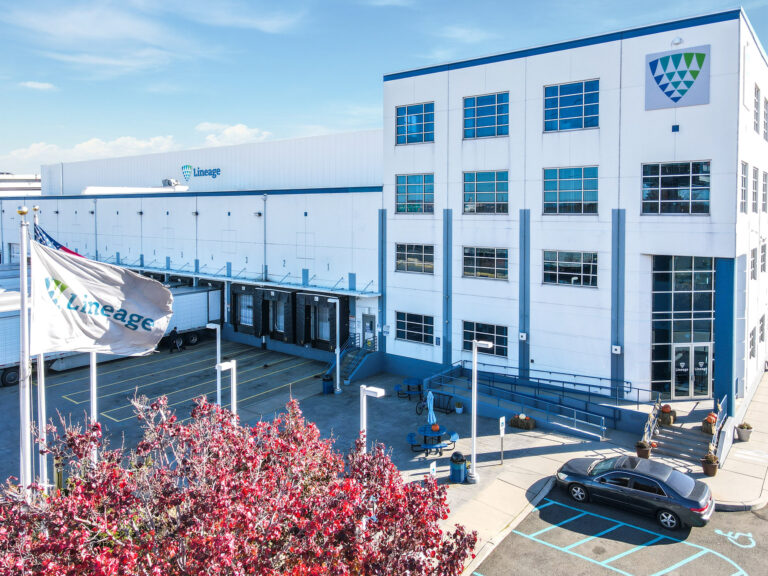
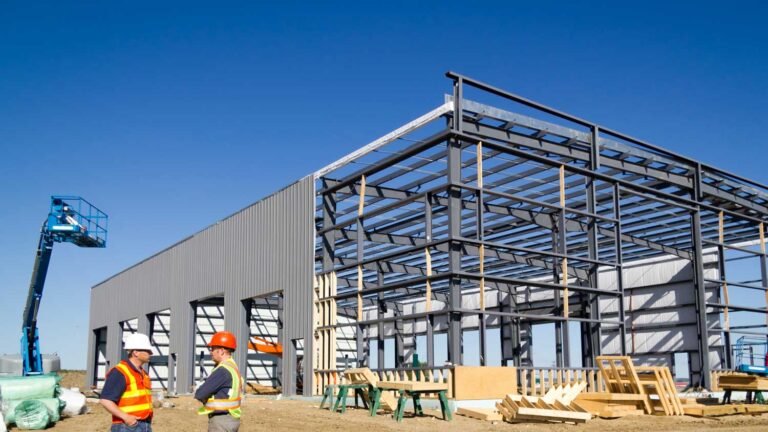
New Warehouse Construction: Complete Guide to Costs, Design, and Real-World Examples
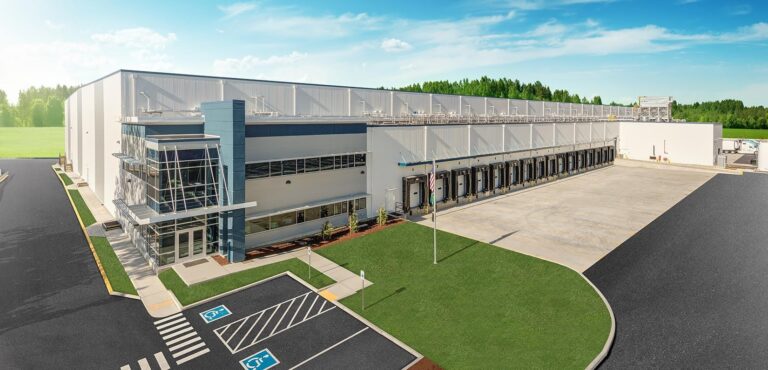
New warehouse construction involves designing and building storage facilities from the ground up to meet modern industry requirements. Unlike older warehouses, new construction provides opportunities to integrate the latest building technologies, energy-efficient materials, and operational layouts tailored to specific industries such as logistics, e-commerce, food distribution, and manufacturing.
A new warehouse is more than a simple structure for storage. It must incorporate design strategies that support fast-moving supply chains, automated inventory systems, and compliance with strict industry standards. The process of constructing a warehouse typically covers site selection, architectural planning, permitting, structural engineering, and final construction. Each stage requires coordination to ensure the facility meets cost expectations while offering long-term operational value.
Key Factors That Influence Warehouse Construction Costs
Location and Site Preparation
Location plays a central role in the cost and efficiency of a new warehouse. Sites close to ports, highways, or airports reduce logistics costs but may increase land prices. Site preparation, including grading, soil testing, and foundation work, can significantly influence overall costs. Challenging terrains require more investment in groundwork before construction begins.
Size and Layout
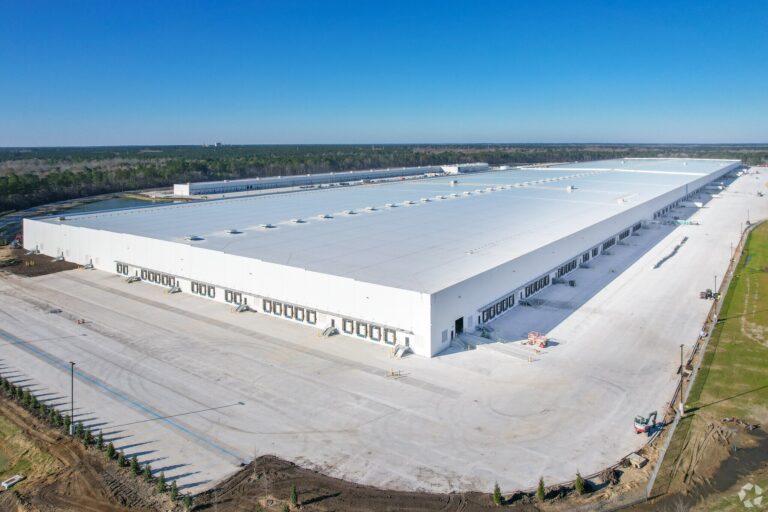
Warehouse size directly affects costs, with larger facilities requiring more materials and labor. However, larger buildings often have lower costs per square foot due to economies of scale. Layout is equally important, as poorly designed workflows can increase operational inefficiencies. High-bay warehouses, which allow for vertical storage, require specialized structural support and equipment.
Building Materials and Structure
Steel is the most commonly used material in modern warehouse construction due to its strength, durability, and flexibility. Alternatives such as concrete or hybrid designs may also be used, but each choice impacts both construction cost and long-term maintenance. The quality of materials directly influences durability and lifecycle expenses.
Technology Integration
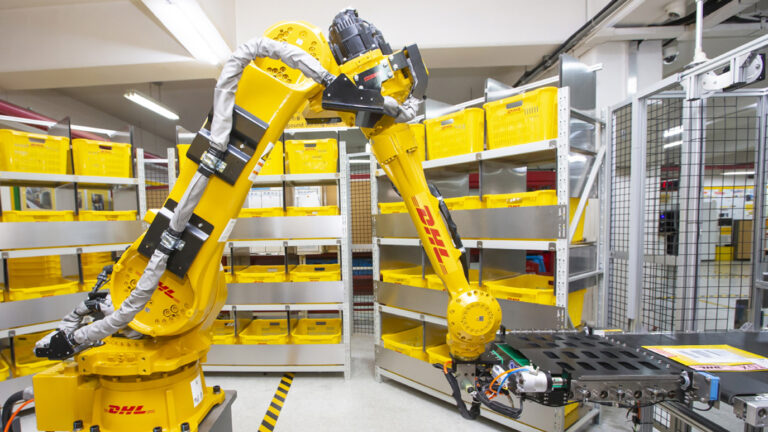
New warehouses often feature automation, robotics, and smart inventory management systems. These technologies increase upfront construction and installation costs but provide long-term benefits through improved efficiency, reduced labor needs, and lower error rates.
Energy Efficiency and Sustainability
Sustainability is becoming a priority in warehouse construction. New facilities frequently include LED lighting, renewable energy systems like solar panels, and advanced insulation. While these features raise initial investment, they reduce operational costs and align with environmental regulations.
Benefits of New Warehouse Construction
Customization and Purpose-Built Design
A new warehouse allows businesses to create customized layouts that match specific industry needs. For example, an e-commerce fulfillment center can include high-density racking, automated sorting systems, and optimized workflows to handle high order volumes efficiently. Tailored construction prevents operational bottlenecks and ensures long-term efficiency.
Cost Efficiency Over Time
Although initial costs are substantial, modern warehouses equipped with energy-efficient systems and automation reduce expenses in the long run. Lower energy consumption, reduced labor costs, and minimized maintenance lead to significant lifetime savings.
Scalability for Future Growth
Constructing a new warehouse gives companies the ability to plan for expansion. Modular designs make it easier to add new storage sections, offices, or production areas without disrupting daily operations.
Compliance and Safety Standards
New warehouses can be built in full compliance with the latest industry, safety, and environmental standards. Meeting regulations from the outset reduces risks of penalties or costly retrofits.
Real-World Examples of New Warehouse Construction
Amazon Fulfillment Centers

Amazon has developed state-of-the-art fulfillment centers worldwide through new warehouse construction. These facilities integrate robotics, automated picking systems, and smart conveyors, making them highly efficient. Their design emphasizes rapid order fulfillment and demonstrates how construction tailored to e-commerce needs supports global logistics.
Walmart Distribution Warehouses

Walmart’s distribution warehouses use new construction strategies with cross-docking designs that reduce storage time. These facilities are equipped with advanced logistics technologies, enabling Walmart to supply retail stores with high efficiency and reduced transportation costs.
Tesla Gigafactory Warehouses
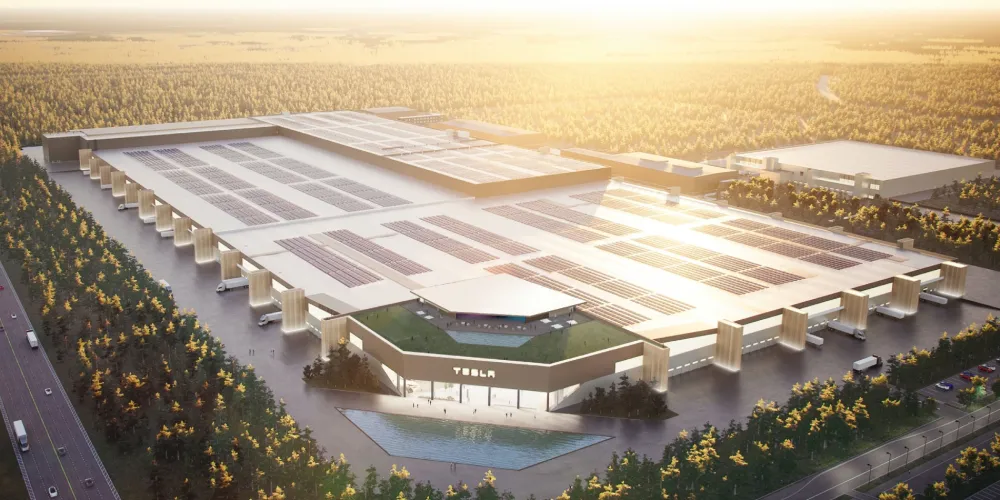
Tesla’s Gigafactories serve as examples of large-scale new warehouse construction projects that integrate manufacturing and warehousing under one roof. They feature renewable energy systems, sustainable materials, and advanced production layouts, demonstrating how warehouse construction supports industrial innovation.
Prologis Industrial Warehouses
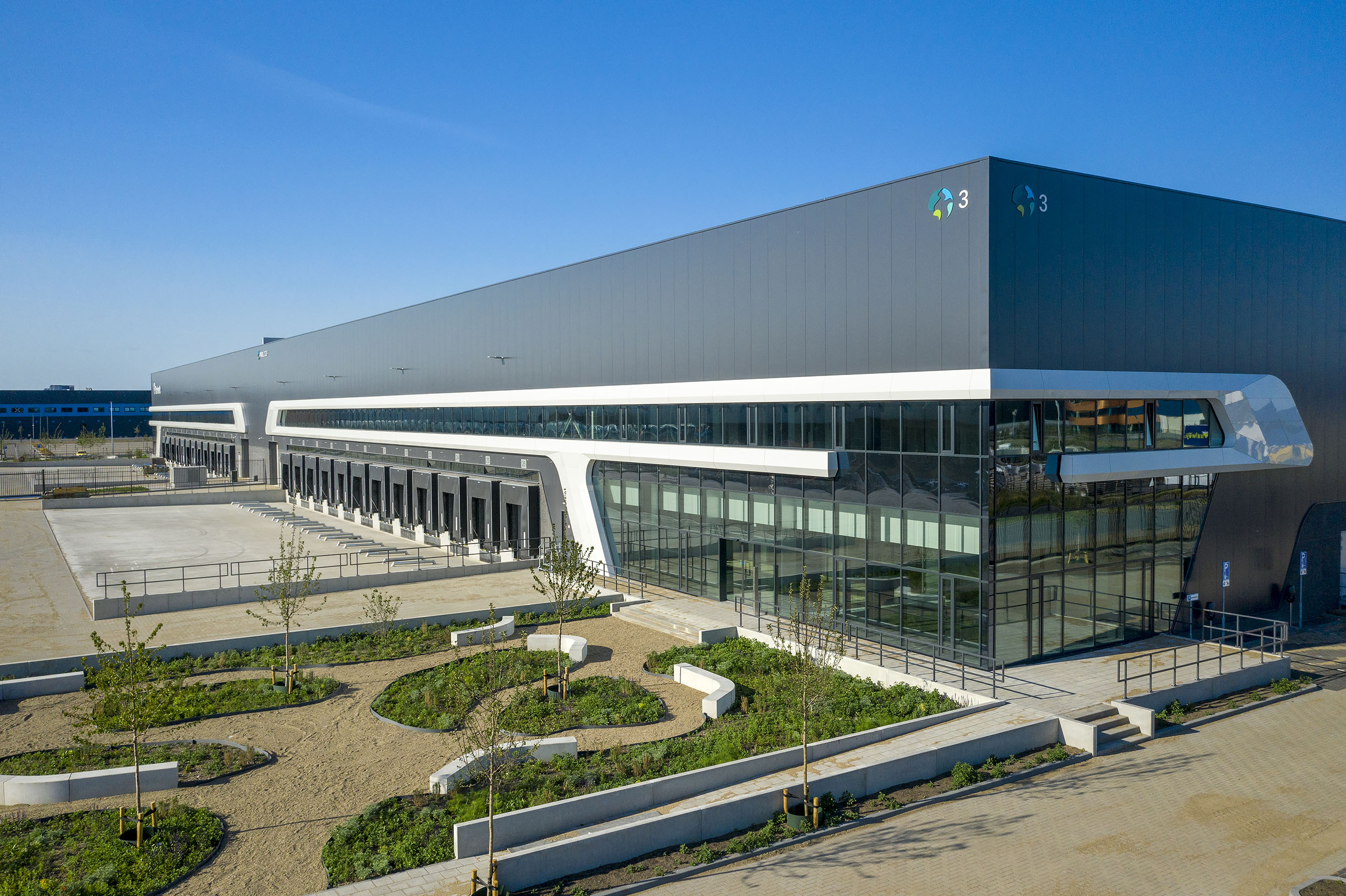
Prologis, a global leader in logistics real estate, builds new warehouses with a focus on sustainability and efficiency. Many of their projects feature rooftop solar panels, natural lighting systems, and energy-efficient insulation. Their designs also emphasize flexible layouts to accommodate a wide range of industries.
Practical Use Cases of New Warehouses
E-commerce and Fulfillment
The rapid growth of online shopping has made efficient fulfillment centers critical. New warehouses constructed specifically for e-commerce operations are designed with automated storage systems, optimized racking, and robotics to handle high order volumes and meet customer expectations.
Cold Storage and Food Distribution
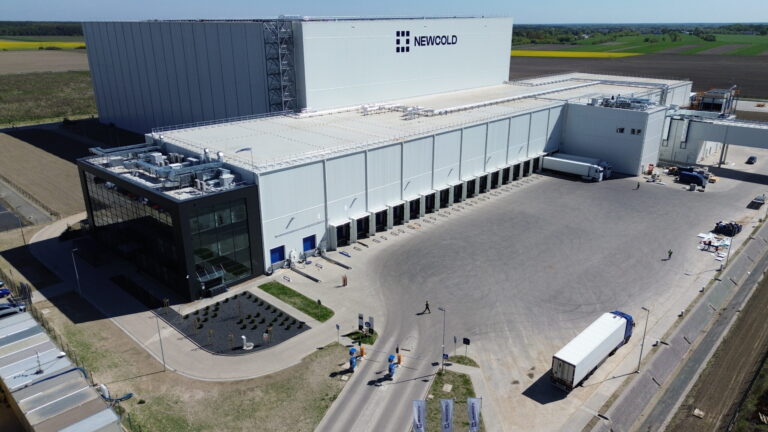
New warehouse construction allows businesses to integrate cold storage technology from the start. Facilities with advanced refrigeration, multi-temperature zones, and insulated structures are crucial for preserving food quality and supporting pharmaceutical distribution.
Manufacturing and Industrial Applications
Manufacturers often require warehouses that double as production facilities. New warehouses can be designed to include assembly lines, testing labs, and raw material storage areas, streamlining operations under one roof.
Global Logistics and Supply Chain Efficiency
Strategically placed warehouses built near transport hubs reduce delivery times and logistics costs. By constructing new warehouses in key global trade zones, companies can enhance supply chain resilience and responsiveness.
Challenges in New Warehouse Construction
Despite the benefits, new warehouse construction poses challenges. High initial investment is often a barrier, particularly for small businesses. Additionally, construction timelines can span 12 to 24 months, depending on project scale and complexity. Companies must also account for fluctuating material costs, labor shortages, and regulatory compliance, which can delay projects. Careful planning and project management are essential to overcoming these hurdles.
Frequently Asked Questions
1. What is the average cost of new warehouse construction?
Costs vary based on size, design, and features. On average, prices range from $25 to $100 per square foot. Specialized facilities, such as cold storage or automated warehouses, are typically on the higher end.
2. How long does it take to build a new warehouse?
Timelines depend on complexity and size. Standard warehouses may take around 12 months, while larger facilities with automation or multiple temperature zones can take 18 to 24 months or longer.
3. Which industries benefit most from new warehouse construction?
Industries such as e-commerce, manufacturing, food and beverage, pharmaceuticals, and logistics gain the most. These sectors rely on modern facilities to handle growth, maintain efficiency, and comply with strict regulations.