Cold Storage Warehouse Construction: Comprehensive Guide to Design, Technology, and Applications
Cold storage warehouse construction is the process of designing and building facilities that maintain controlled temperature environments for storing perishable goods. These warehouses are essential for industries such as food, pharmaceuticals, agriculture, and logistics. Unlike standard warehouses, cold storage facilities require specialized materials, insulation, and refrigeration systems to ensure product quality and safety.
The construction process involves multiple considerations, including building layout, insulation, temperature zones, and energy efficiency. Each aspect must be carefully planned to ensure compliance with industry standards and sustainability goals. For businesses, a well-constructed cold storage warehouse can significantly reduce waste, preserve product quality, and streamline supply chains.
Key Elements of Cold Storage Warehouse Design
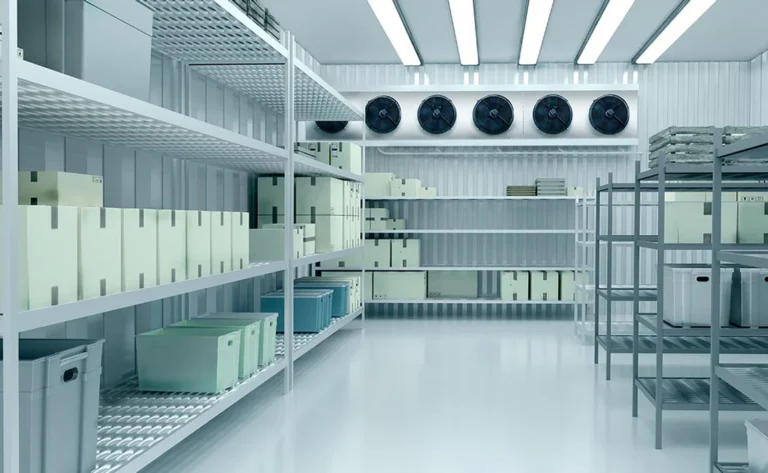
Designing a cold storage facility is a highly technical process. The structure must be equipped to handle extreme temperature requirements and frequent product movement. Factors such as insulation thickness, floor heating systems, and vapor barriers play critical roles in performance and durability.
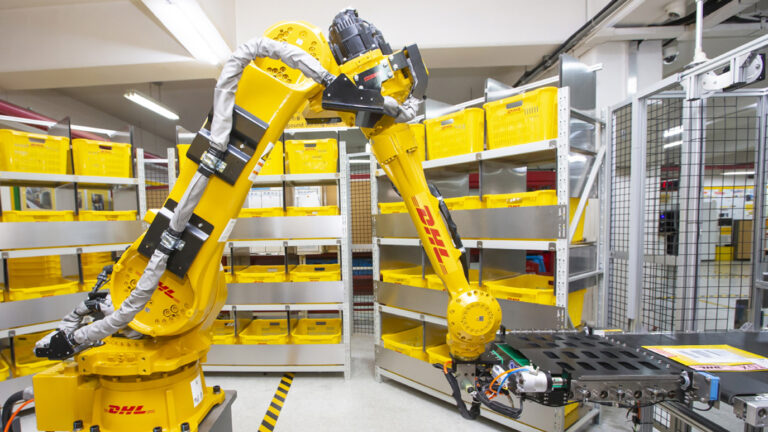
Lighting, ventilation, and door systems also contribute to energy efficiency and product safety. Modern designs often incorporate automated systems to optimize temperature management, reduce human error, and improve operational efficiency. With growing demand for sustainability, many cold storage warehouses now use eco-friendly refrigerants and renewable energy sources.
Types of Cold Storage Facilities
Cold storage warehouses are designed to meet specific temperature needs, and the type of facility often depends on the products being stored.
Frozen Storage Facilities
Frozen storage maintains temperatures below -18°C (-0.4°F). These facilities are typically used for storing frozen meats, seafood, and processed foods. The construction requires heavy insulation and advanced refrigeration systems capable of maintaining ultra-low temperatures.
Chilled Storage Facilities
Chilled storage operates between 0°C and 10°C (32°F to 50°F). These facilities are widely used for fruits, vegetables, dairy products, and beverages. Proper air circulation and humidity control are vital to extend shelf life and prevent spoilage.
Multi-Temperature Warehouses
Multi-temperature warehouses contain separate zones for different temperature requirements. This design is ideal for companies handling diverse product categories. Each zone is constructed with its own insulation, cooling system, and monitoring equipment.
Benefits of Modern Cold Storage Construction Technologies
Cold storage warehouse construction has evolved significantly with the integration of advanced technologies. These innovations bring multiple benefits to businesses and end-users alike.
Energy Efficiency and Cost Savings
New construction technologies allow warehouses to reduce energy consumption through advanced insulation materials, automated temperature control, and energy-efficient refrigeration systems. This results in significant cost savings over time while supporting sustainability initiatives.
Improved Product Safety and Shelf Life
Cold storage construction now emphasizes precision temperature monitoring and real-time alerts. These features help prevent temperature fluctuations, which can compromise food safety and reduce product quality. As a result, businesses can maintain compliance with food safety regulations while reducing waste.
Scalability and Flexibility
Modern construction methods allow warehouses to be built with modular components. This means facilities can expand or reconfigure as demand changes, offering long-term flexibility for businesses.
Real-World Examples of Cold Storage Warehouse Construction
Americold Cold Storage Facilities

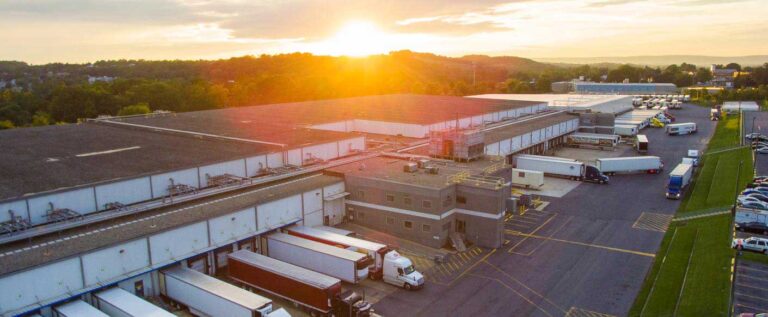
Americold is a global leader in temperature-controlled warehousing. Their facilities demonstrate advanced construction techniques, including automated storage systems, energy-efficient cooling, and multi-temperature zones. Americold warehouses are often located near major ports and transportation hubs, improving supply chain efficiency.
Lineage Logistics Cold Storage Solutions
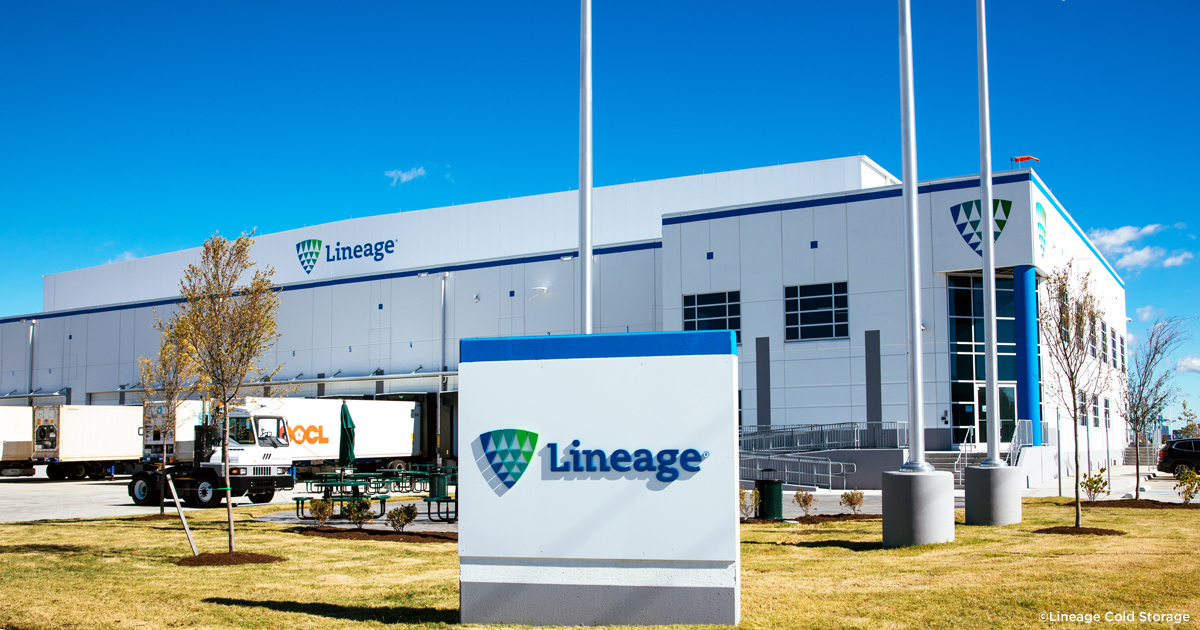
Lineage Logistics operates some of the world’s most advanced cold storage facilities. Their warehouses use high-density storage designs and automation to optimize space utilization. Additionally, Lineage incorporates renewable energy systems and data-driven technology for improved operational performance.
NewCold Advanced Automated Cold Stores
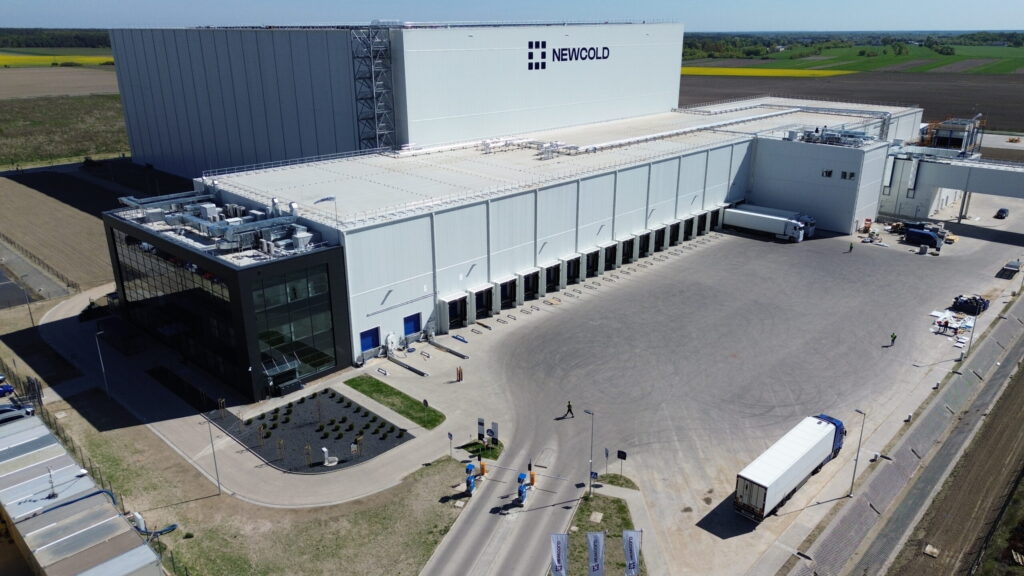
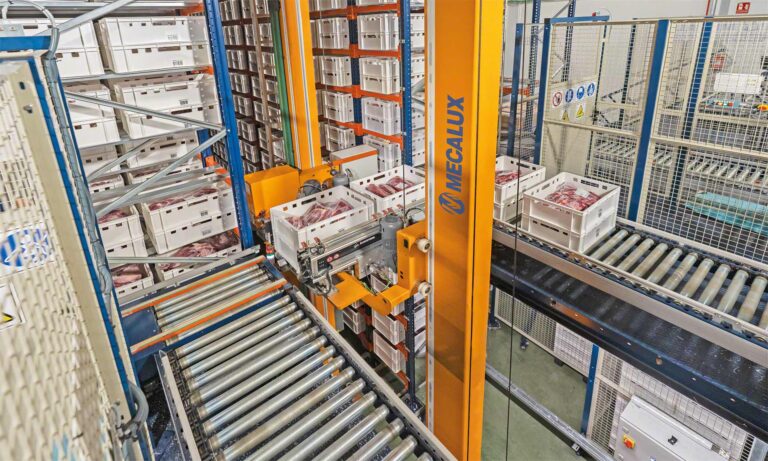
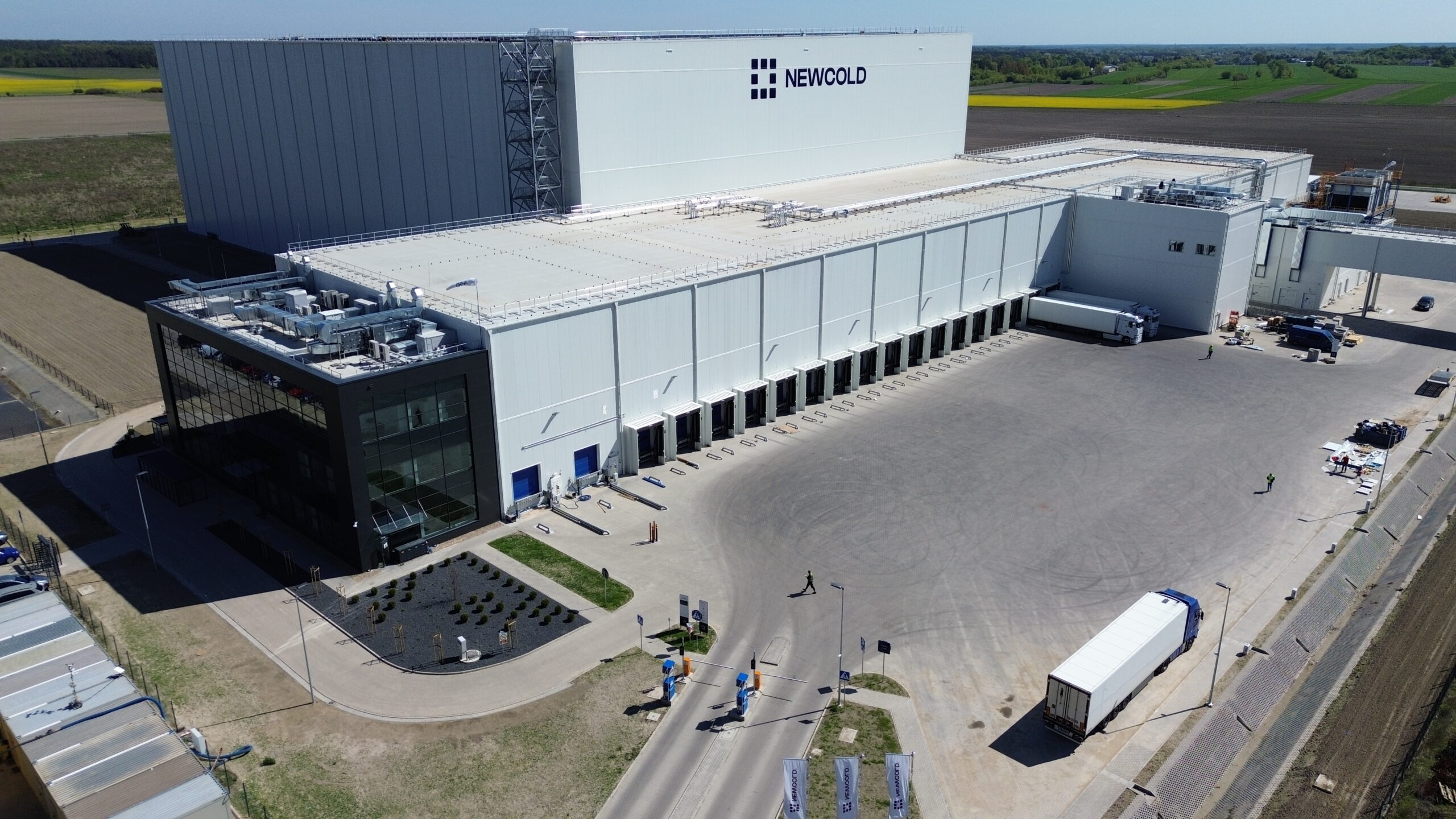
NewCold builds fully automated cold storage warehouses that minimize human interaction. Their construction features include insulated high-bay facilities and robotic pallet handling systems. This design reduces labor costs, increases safety, and ensures product integrity.
Preferred Freezer Services Warehouses

Preferred Freezer Services specializes in frozen food storage. Their construction emphasizes heavy-duty insulation, blast freezing technology, and advanced logistics systems. Their warehouses showcase how specialized construction can serve the growing demand for frozen goods worldwide.
Practical Use Cases of Cold Storage Warehouses
Cold storage warehouses provide solutions to critical challenges across industries.
Food Supply Chain Preservation
Perishable foods require strict temperature control from farm to table. Cold storage warehouses preserve freshness, reduce food waste, and ensure a consistent supply for retailers and restaurants.
Pharmaceutical Distribution
Vaccines, medications, and other pharmaceutical products must remain at stable temperatures. Cold storage construction ensures compliance with global standards, maintaining product safety and efficacy throughout distribution.
E-commerce and Grocery Delivery
The rise of online grocery platforms has increased demand for cold storage. Warehouses enable e-commerce companies to store fresh produce, dairy, and frozen foods while meeting consumer expectations for fast and safe delivery.
Agriculture and Harvest Management
Farmers rely on cold storage warehouses to extend the shelf life of crops. This helps reduce losses during peak harvest seasons and allows farmers to sell products year-round.
Challenges in Cold Storage Construction
Building cold storage facilities presents unique challenges, including high upfront costs, energy demands, and technical complexities. Developers must also account for safety measures, such as floor heating to prevent frost damage and specialized door systems to maintain airtight seals. Despite these challenges, technological advancements continue to make construction more cost-effective and sustainable.
Frequently Asked Questions
1. What is the typical cost of cold storage warehouse construction?
The cost varies widely depending on size, design, location, and technology. Construction can range from several million dollars to tens of millions for large, automated facilities.
2. How long does it take to build a cold storage warehouse?
On average, construction takes 12 to 24 months, depending on project complexity, permits, and customization. Automated systems and multi-zone designs typically extend timelines.
3. What industries rely most on cold storage warehouses?
Food and beverage, pharmaceuticals, agriculture, and e-commerce are the primary industries. Each depends on cold storage facilities to preserve products, ensure safety, and support efficient supply chains.