Warehouse Manufacturing: Comprehensive Guide to Efficient Industrial Production Spaces
Warehouse manufacturing refers to the integration of production processes within a warehouse facility. Unlike traditional factories, warehouse manufacturing combines storage, material handling, and manufacturing operations under one roof to streamline supply chains and improve operational efficiency.
Modern warehouse manufacturing facilities are designed to accommodate both inventory storage and active production processes. This hybrid approach allows businesses to reduce lead times, improve workflow coordination, and maintain optimal inventory levels. Efficient layout planning, robust structural design, and technology integration are critical to achieving operational success in these environments.
The concept extends across multiple industries, including electronics, automotive, consumer goods, and logistics, where flexibility, scalability, and real-time production management are key priorities.
Key Components of Warehouse Manufacturing
Facility Layout and Design
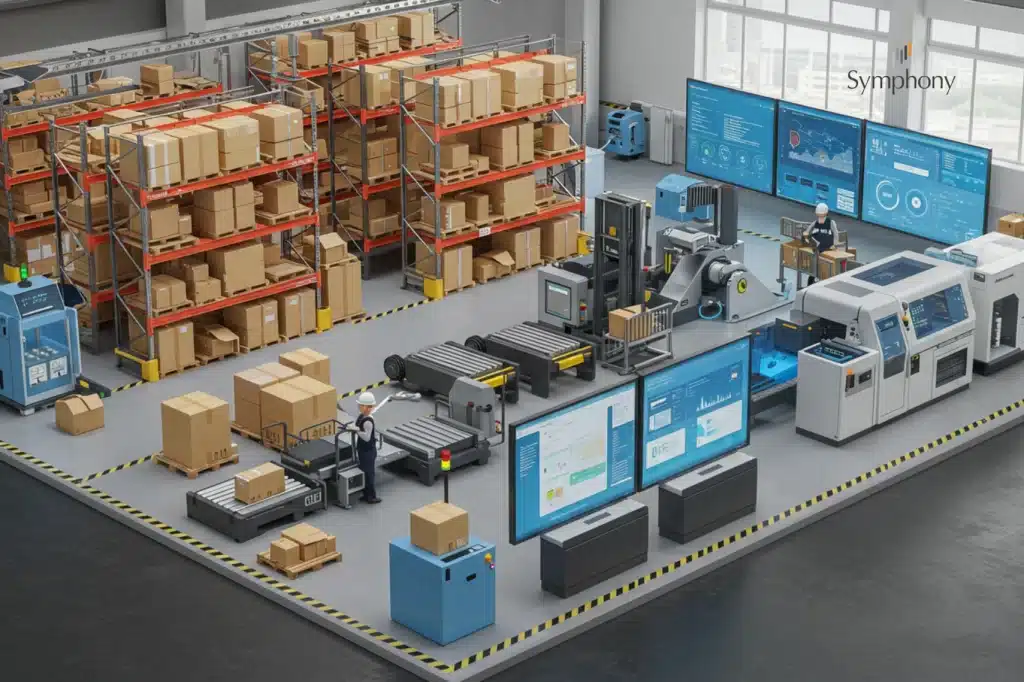
The layout of a warehouse manufacturing facility directly impacts workflow efficiency. Properly designed layouts include distinct zones for raw material storage, assembly lines, quality control, and finished goods storage. Strategic placement of machinery, equipment, and conveyors ensures seamless material flow and minimizes bottlenecks.
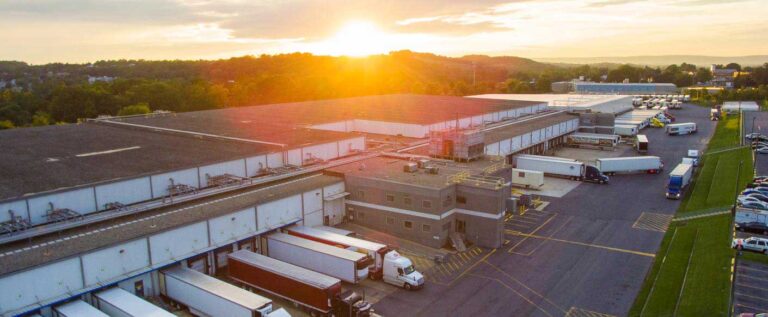
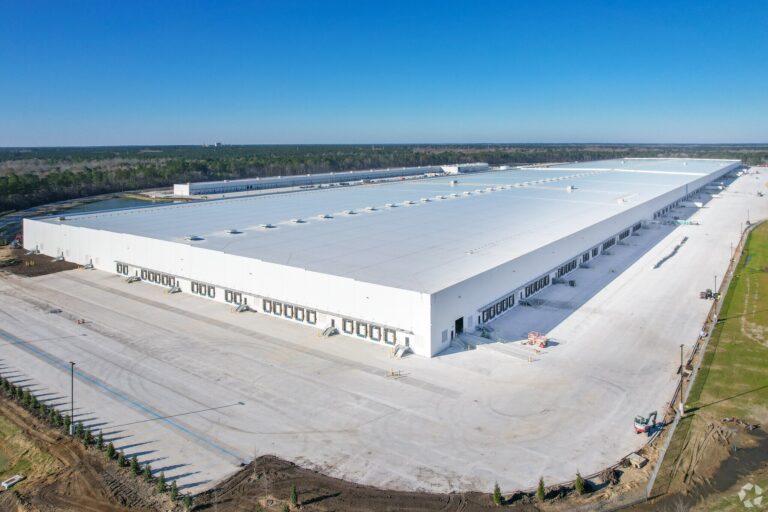
Open floor plans with high ceilings enable flexible production lines and accommodate large equipment. Additionally, dedicated areas for receiving and shipping goods help maintain operational efficiency while reducing congestion within the facility.
Structural and Environmental Considerations
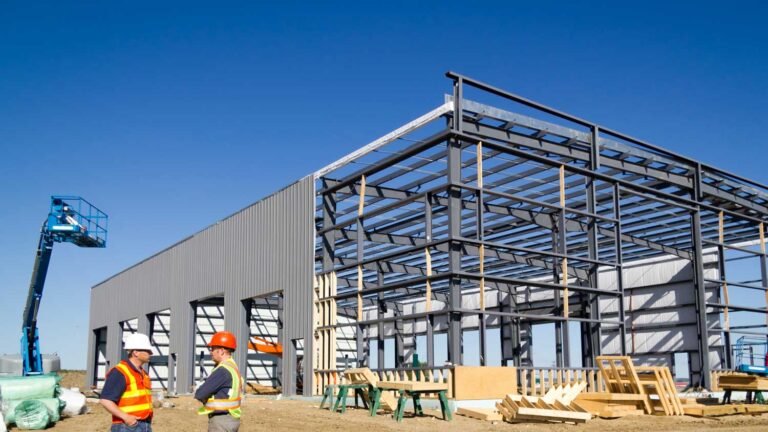
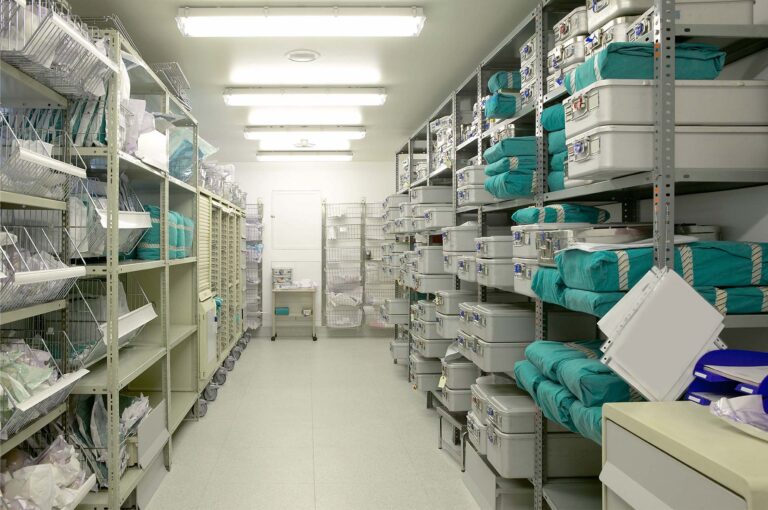
Structural integrity is vital to support heavy machinery, storage racks, and frequent material handling. Reinforced floors, durable roofing, and well-engineered support structures prevent operational hazards. Environmental controls, such as ventilation, temperature, and humidity management, ensure product quality and worker safety, especially in industries like pharmaceuticals and food manufacturing.
Technology and Automation Integration
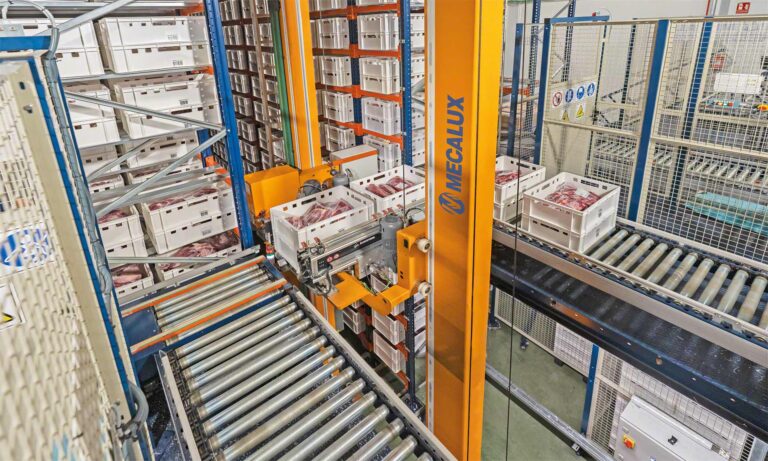
Modern warehouse manufacturing heavily relies on technology to improve productivity. Automated conveyor systems, robotics, and automated storage and retrieval systems (ASRS) enhance material handling efficiency. Warehouse management systems (WMS) track inventory in real time, coordinating production with storage capacity and shipment schedules.
IoT-enabled sensors and real-time monitoring systems allow managers to track machinery performance, detect bottlenecks, and optimize energy usage across the facility.
Advantages of Warehouse Manufacturing
Improved Operational Efficiency
Integrating manufacturing within the warehouse reduces lead times and transportation needs. Materials move seamlessly from storage to production lines, ensuring faster turnaround and reduced operational delays.
Cost Savings
Combining storage and manufacturing reduces the need for multiple facilities, lowering overhead costs. Energy-efficient designs, automation, and technology integration also decrease labor and maintenance expenses.
Scalability and Flexibility
Warehouse manufacturing facilities can adapt to changing production needs. Modular layouts allow for expansion, reconfiguration of production lines, and integration of new machinery without major reconstruction.
Enhanced Safety and Compliance
Modern warehouse manufacturing designs prioritize safety, including ergonomic workstations, fire suppression systems, and clear material flow paths. Compliance with industry standards reduces risk and enhances workplace safety.
Real-World Examples of Warehouse Manufacturing
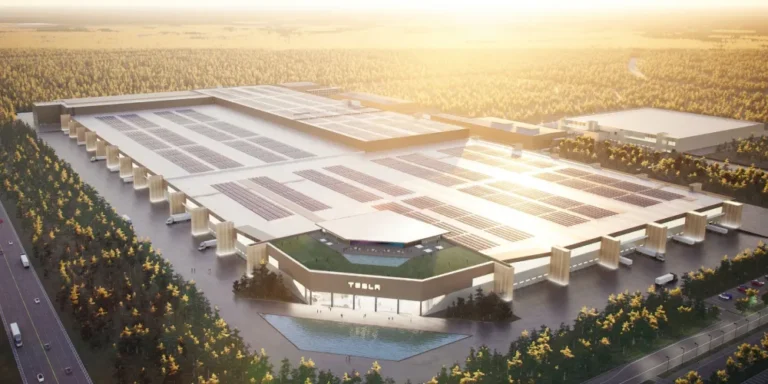
Tesla Gigafactory

Tesla’s Gigafactory integrates battery production and assembly operations within a massive warehouse-style facility. This integration minimizes transportation between stages, improves efficiency, and allows real-time inventory management.
Amazon Robotics Fulfillment Centers

Amazon’s fulfillment centers include micro-manufacturing and kitting processes within warehouse spaces. Robotics and automation streamline the production of pre-assembled kits for e-commerce orders, reducing human error and processing time.
Foxconn Electronics Facilities
Foxconn integrates assembly and storage under a warehouse-style roof. Efficient layouts, automated material handling, and climate-controlled zones ensure high-volume production and safe storage of sensitive electronics.
Cargill Food Processing Facilities
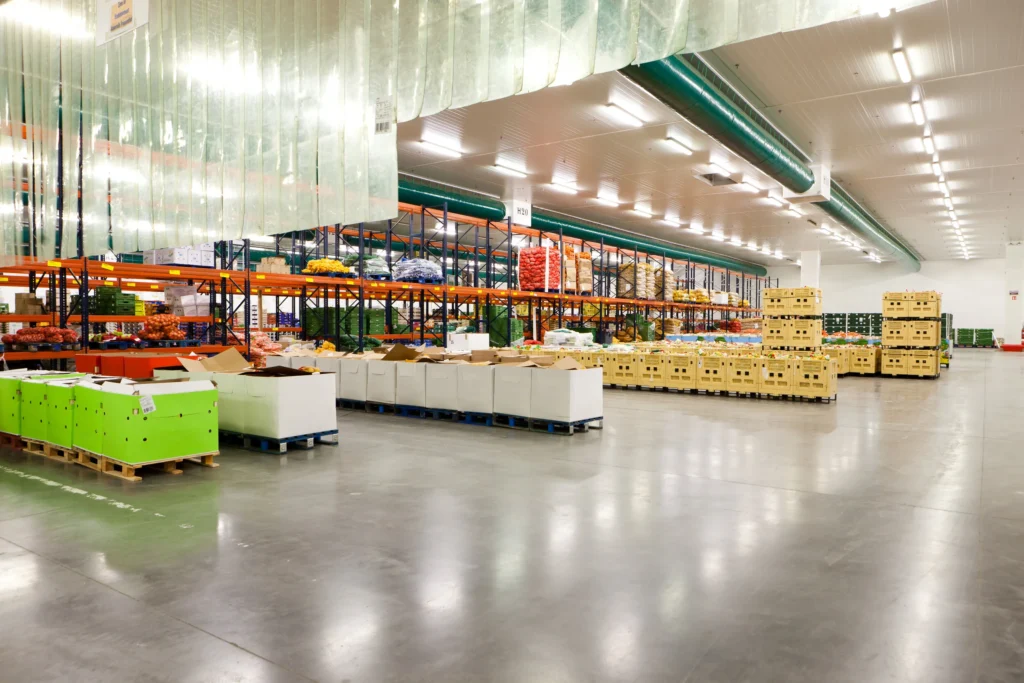
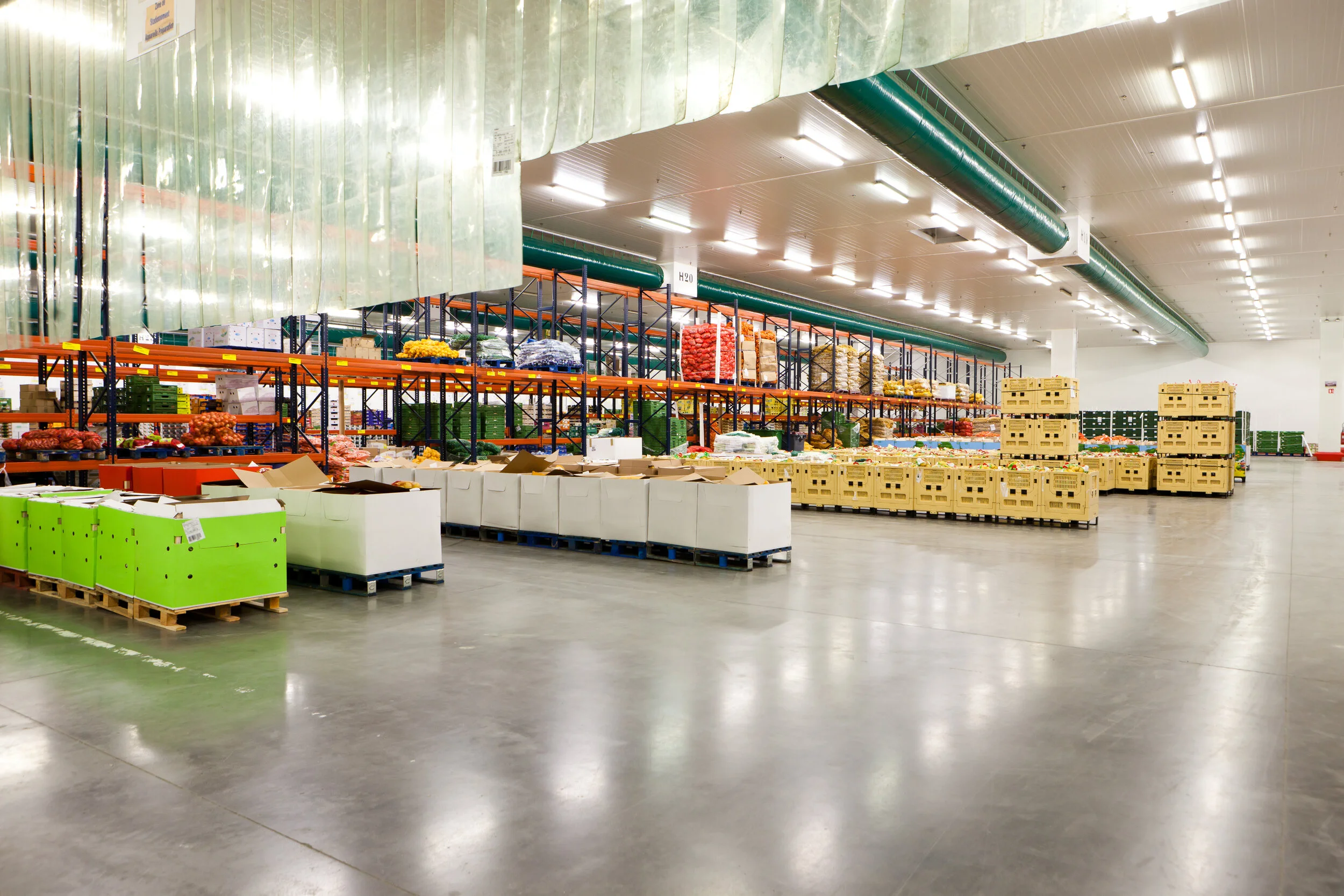
Cargill’s facilities combine bulk storage, ingredient processing, and packaging in one building. Temperature-controlled areas maintain food quality while minimizing transport between storage and production.
Technology Benefits in Warehouse Manufacturing
Automation and Robotics
Automation reduces manual labor, improves consistency, and accelerates production. Robots handle repetitive tasks such as packaging, assembly, and palletizing.
Warehouse Management Systems (WMS)
WMS integrates inventory tracking with production scheduling, ensuring raw materials are available when needed and finished products are ready for shipment.
IoT and Sensor Integration
Sensors monitor machinery, storage conditions, and energy usage. Real-time data supports predictive maintenance, quality control, and operational optimization.
Energy-Efficient Design
Modern warehouses incorporate LED lighting, HVAC optimization, and solar panels to reduce energy costs and environmental impact.
Practical Use Cases
Consumer Goods Production
Combining production and storage reduces lead times for products like packaged foods, household items, and electronics.
Automotive Parts Assembly
Warehouse manufacturing supports modular assembly, storage of components, and streamlined distribution to dealers and repair centers.
Pharmaceutical Production
Climate-controlled warehouse-manufacturing facilities ensure compliant production, storage, and packaging of medicines and vaccines.
E-Commerce and Kitting Operations
Integrated warehouse manufacturing allows businesses to preassemble kits, package orders, and ship products efficiently within the same facility.
Industrial Equipment Manufacturing
Heavy machinery production benefits from warehouse manufacturing layouts with high ceilings, reinforced floors, and optimized material flow for large components.
Benefits for Business Operations
- Streamlined production and inventory management reduce operational costs
- Enhanced efficiency through integrated manufacturing and storage
- Improved scalability and flexibility for changing production demands
- Better safety and compliance with regulatory standards
- Seamless technology integration supports real-time monitoring, automation, and predictive analytics
Warehouse manufacturing combines storage and production capabilities to optimize operational performance, reduce costs, and maintain flexibility in dynamic industrial environments.
Frequently Asked Questions
1. What is warehouse manufacturing?
Warehouse manufacturing integrates production processes within a warehouse facility, combining storage and manufacturing to optimize workflow, reduce lead times, and improve operational efficiency.
2. How does technology improve warehouse manufacturing?
Technology such as automation, robotics, WMS, and IoT monitoring increases production speed, reduces labor costs, and ensures accurate inventory tracking and operational efficiency.
3. What industries benefit most from warehouse manufacturing?
Industries like electronics, automotive, e-commerce, food processing, and pharmaceuticals benefit from combining manufacturing and storage under one roof, enhancing flexibility, safety, and cost-effectiveness.