Cold Storage Construction: Design, Cost, and Benefits Explained
Cold storage construction plays a critical role in today’s food supply chain, pharmaceutical industry, and logistics sectors. As global trade expands and consumer demand for fresh and frozen goods increases, businesses are turning to specialized storage facilities that maintain precise temperature control. Cold storage facilities ensure that perishable products such as seafood, dairy, meat, vaccines, and fresh produce can be preserved for longer periods while meeting strict quality standards.
Unlike traditional warehouses, cold storage construction requires advanced design, specialized materials, and technology integration. It involves balancing efficiency with sustainability, ensuring energy savings, and reducing operational costs while delivering reliable performance.
Why Cold Storage Construction is Essential
Cold storage facilities are more than just refrigerated buildings. They are critical for maintaining the cold chain, a logistics process that keeps perishable items at consistent temperatures from production to consumption. Without proper cold storage, products risk spoilage, contamination, or loss of efficacy, especially in industries such as food and pharmaceuticals.
The rise of global e-commerce, meal delivery services, and health sector demands has fueled the expansion of cold storage construction worldwide. Companies are increasingly investing in these facilities to ensure uninterrupted supply chains and to reduce waste.
Key Design Considerations in Cold Storage Construction
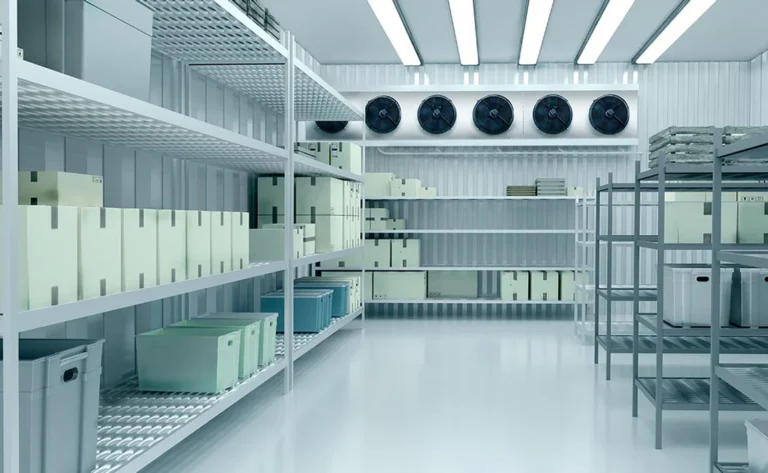
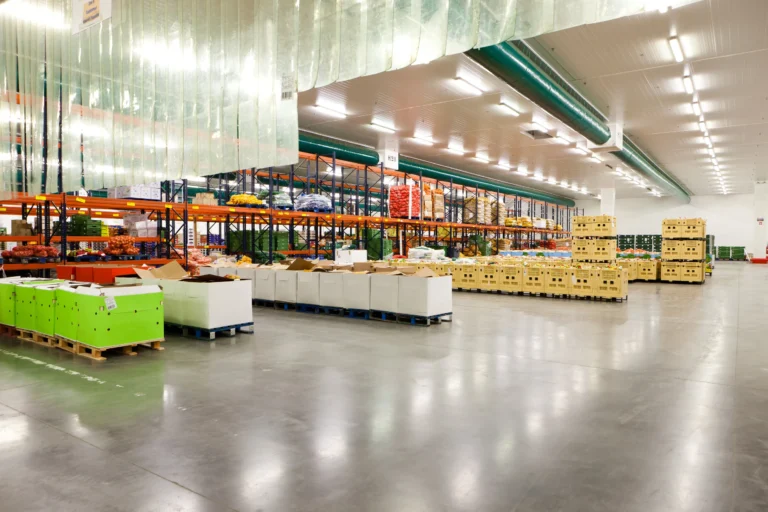
Designing a cold storage facility involves unique challenges that go beyond traditional warehouse construction. Temperature zones must be carefully planned, as different products require different storage environments. For example, frozen goods may require temperatures as low as -20°C, while fresh produce may need controlled humidity levels at 2–5°C.
Insulation plays a vital role in construction. High-performance panels, vapor barriers, and specialized flooring systems prevent heat infiltration and ensure energy efficiency. Additionally, advanced HVAC and refrigeration systems must be integrated seamlessly to maintain temperature stability. Safety considerations such as fire-resistant materials, emergency exits, and backup power systems are also essential in design.
Cost Factors in Cold Storage Construction
Cold storage construction costs are typically higher than standard warehouse projects due to specialized materials and technology. Insulated panels, refrigeration equipment, humidity control systems, and energy-efficient lighting contribute significantly to the overall budget.
Other cost factors include location, labor, building size, and whether the facility requires single-zone or multi-zone refrigeration. Although the initial investment is substantial, the long-term returns are achieved through reduced waste, efficient operations, and the ability to meet regulatory compliance.
Real-World Examples of Cold Storage Construction
Lineage Logistics Cold Storage Facilities
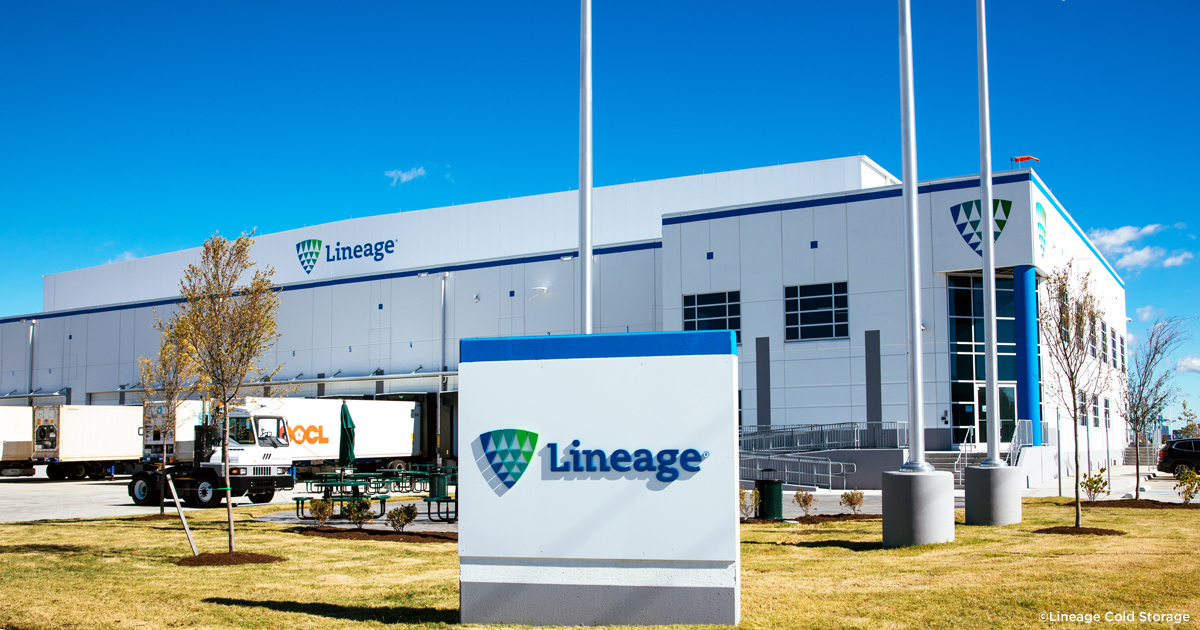
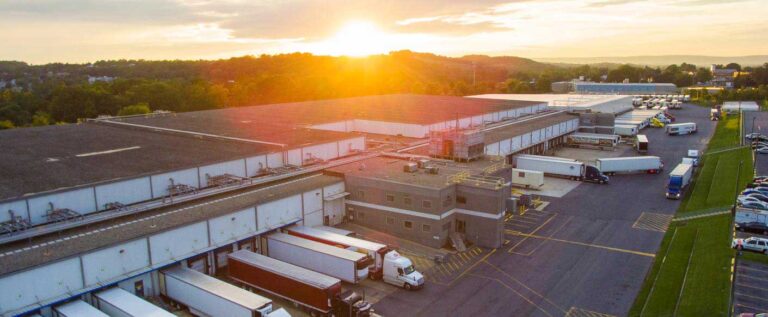
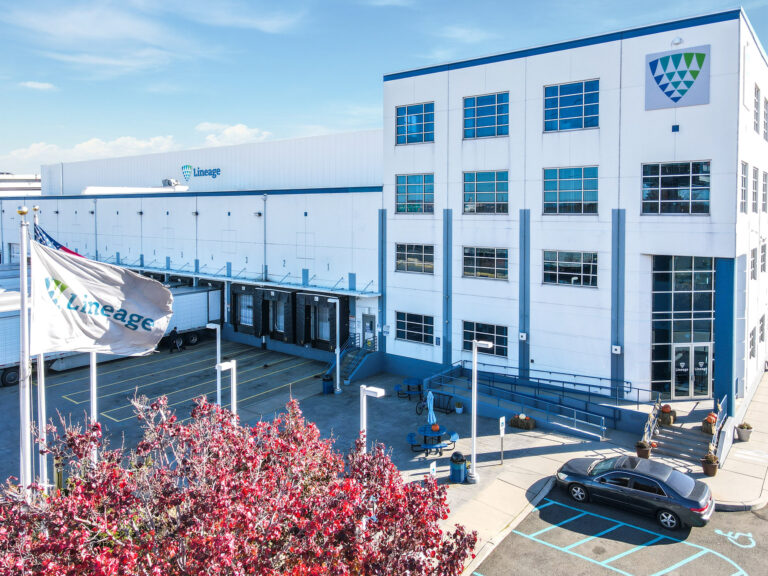
Lineage Logistics, a global leader in cold chain solutions, has constructed state-of-the-art cold storage facilities designed to reduce energy consumption while maximizing storage capacity. Their warehouses feature automated systems, advanced refrigeration, and modular cold rooms tailored for different industries.
The company’s innovative approach demonstrates how cold storage construction can balance operational needs with sustainability. By integrating smart energy systems, Lineage reduces electricity use while maintaining consistent product quality.
Americold Cold Warehouses

Americold operates a vast network of cold storage warehouses across the world. Their facilities are designed to serve food producers, retailers, and distributors with reliable cold chain infrastructure.
These warehouses often feature multi-temperature zones, advanced racking systems, and real-time monitoring technologies. Americold highlights the importance of scalability in cold storage construction, ensuring that facilities can expand as market demands increase.
NewCold High-Tech Cold Storage

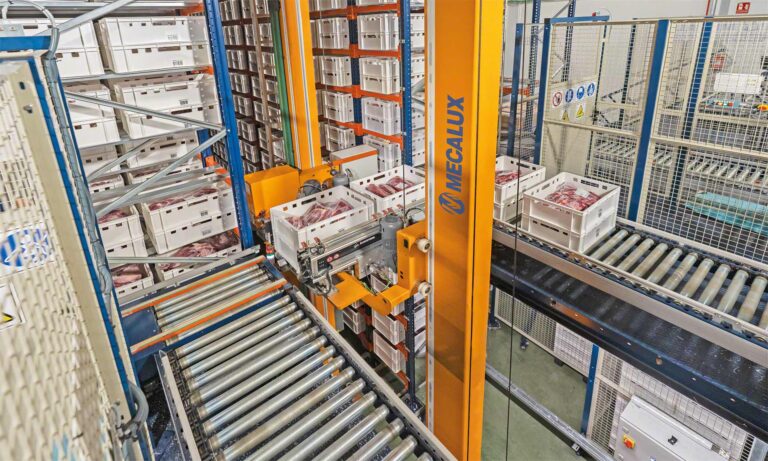
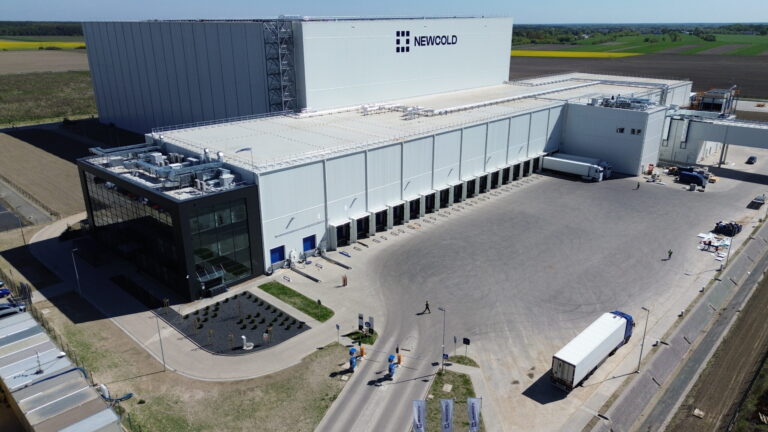
NewCold specializes in highly automated cold storage warehouses. Their facilities utilize robotic pallet handling, high-bay racking systems, and energy-efficient insulation.
The integration of automation reduces labor costs while increasing efficiency and accuracy in managing large volumes of frozen goods. NewCold facilities illustrate how technology-driven cold storage construction can transform supply chains.
Pharmaceutical Cold Storage Facilities
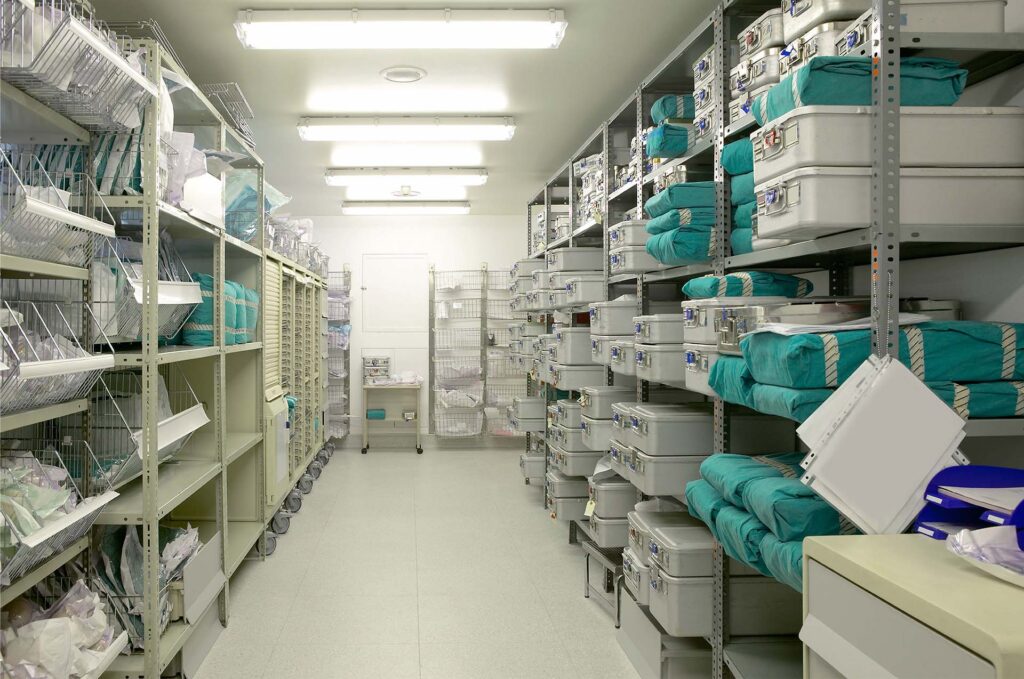
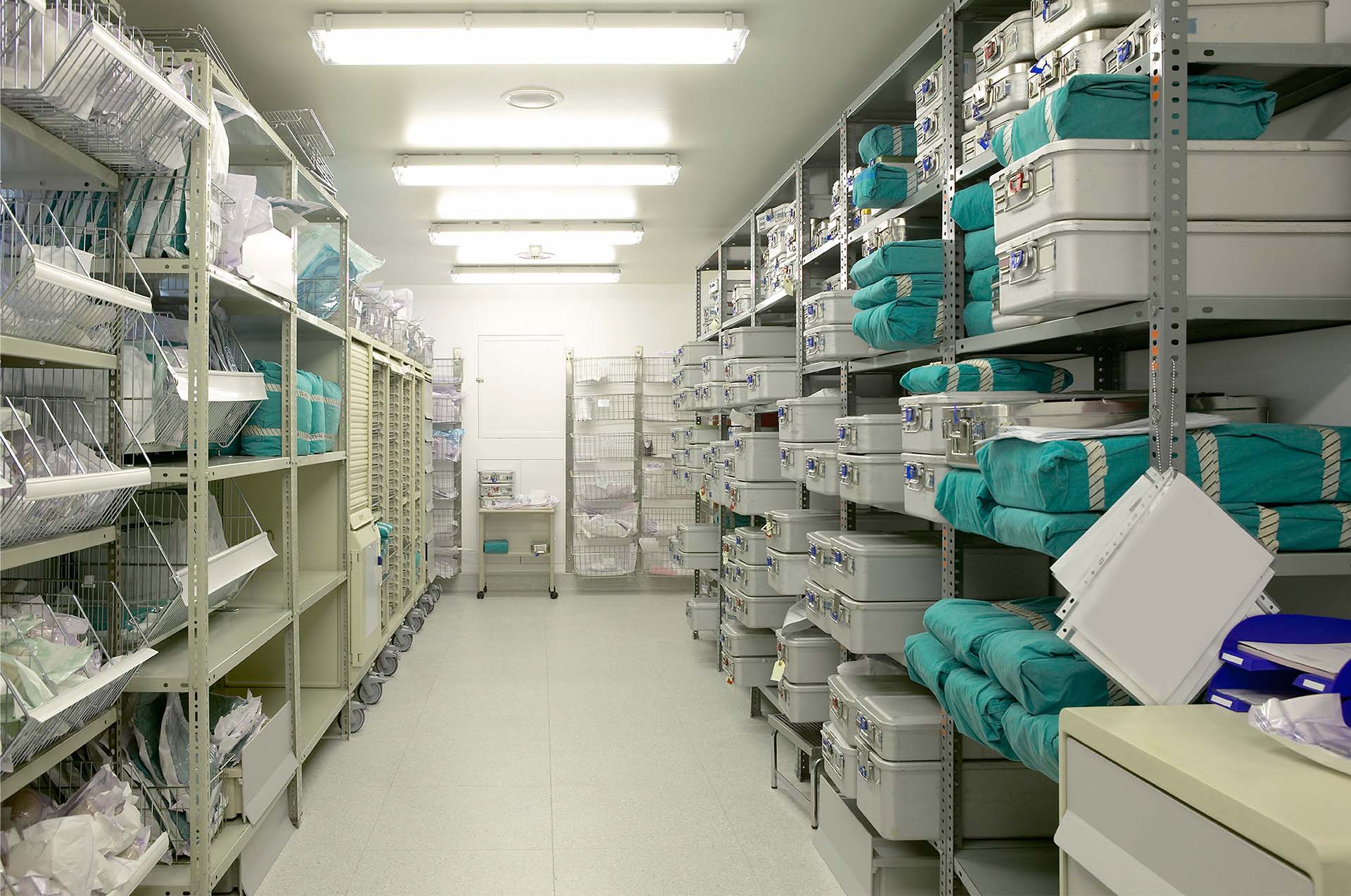
The pharmaceutical industry relies heavily on cold storage construction for vaccines, medications, and biologics. These warehouses must adhere to stringent regulatory standards and maintain precise temperature controls.
Specialized refrigeration, backup power systems, and monitoring sensors ensure product safety and compliance. Pharmaceutical cold storage facilities highlight the critical importance of design precision and technological integration in protecting sensitive products.
Benefits of Using Technology in Cold Storage Construction
Enhanced Energy Efficiency
Modern cold storage facilities use advanced insulation, LED lighting, and smart HVAC systems to reduce energy consumption. Technologies such as variable frequency drives (VFDs) optimize energy use, resulting in lower operational costs.
Improved Monitoring and Automation
IoT-based sensors and automated systems allow real-time monitoring of temperature and humidity. Automation reduces human error, improves accuracy, and ensures consistent conditions across the warehouse.
Scalability and Flexibility
Technology-driven designs make it easier to expand or modify cold storage facilities without disrupting existing operations. Modular construction and advanced controls ensure adaptability to future business needs.
Use Cases of Cold Storage Construction
Food Distribution
Cold storage warehouses are critical for food logistics, ensuring that meat, dairy, seafood, and produce reach consumers fresh. Facilities are often located near ports, processing plants, or retail distribution centers.
E-commerce Grocery Delivery
With the growth of online grocery delivery, cold storage facilities have become essential for storing and distributing perishable goods. These warehouses support the rapid fulfillment demands of e-commerce platforms.
Pharmaceutical Supply Chain
The pharmaceutical industry depends on cold storage to preserve vaccines, insulin, and other temperature-sensitive drugs. Facilities are often designed with backup systems to ensure uninterrupted storage conditions.
Agriculture and Farming
Farmers rely on cold storage warehouses to preserve harvested crops, reduce spoilage, and extend shelf life. This reduces waste and increases profitability in agricultural supply chains.
Challenges in Cold Storage Construction
Cold storage facilities present unique challenges, including high construction costs, complex engineering requirements, and energy demands. Builders must address potential issues such as frost buildup, condensation, and structural stress caused by extreme temperatures.
Additionally, ensuring sustainability while meeting operational requirements can be difficult. However, advancements in materials, energy systems, and automation are helping to overcome these challenges.
Conclusion
Cold storage construction has become a vital part of global supply chains, enabling industries to deliver fresh, safe, and high-quality products. From food to pharmaceuticals, these specialized warehouses ensure that critical goods maintain integrity throughout the logistics process. With the integration of technology, automation, and energy-efficient systems, cold storage construction continues to evolve, offering reliable and sustainable solutions for the future.
FAQs
1. Why is cold storage construction more expensive than standard warehouses?
Cold storage construction requires specialized insulation, refrigeration, and monitoring systems, which increase initial costs. However, the investment pays off through reduced product loss and operational efficiency.
2. How long does it take to build a cold storage facility?
Construction timelines vary depending on size and complexity, but a medium-sized cold storage warehouse typically takes 8–14 months to complete.
3. What industries benefit most from cold storage construction?
Industries such as food distribution, pharmaceuticals, agriculture, and e-commerce grocery delivery rely heavily on cold storage facilities to preserve product quality and safety.